Day: June 22, 2026
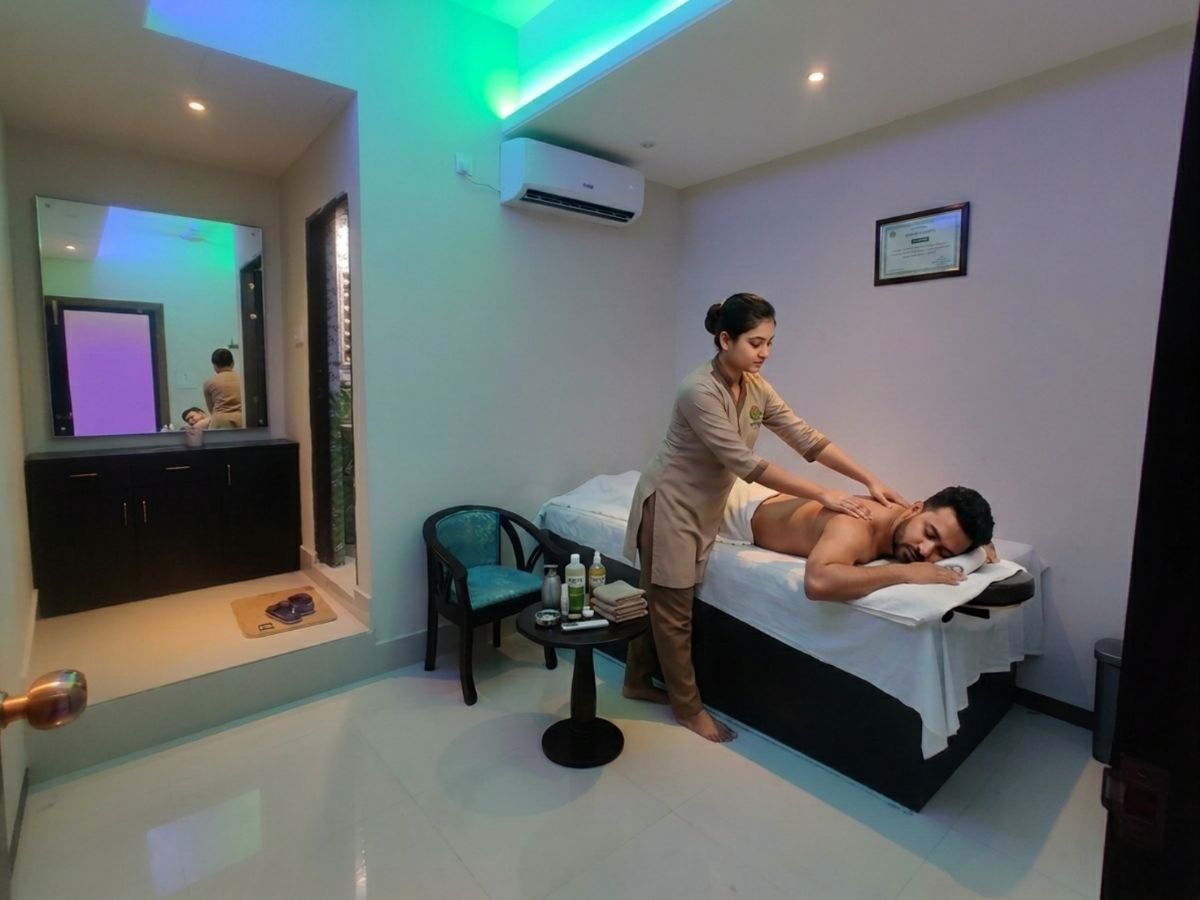
Discover Why Wellness Enthusiasts Are Choosing Premium Spa Experiences in Gulshan
As urban lifestyles become increasingly demanding, more people are prioritizing wellness as an essential part of maintaining physical and mental health. In Dhaka, particularly in Gulshan, the growing demand for premium spa and massage services reflects a broader shift toward self-care, stress management, and holistic well-being.
Known as one of the city's most prestigious commercial and residential districts, Gulshan has emerged as a wellness hub where professionals, entrepreneurs, expatriates, and residents seek high-quality relaxation experiences. From traditional Thai therapies to modern wellness treatments, the area's spa industry continues to evolve to meet the needs of today's health-conscious consumers. Industry trends show that many spa centers in Gulshan emphasize authentic Thai massage techniques, aromatherapy, stress-relief therapies, and personalized wellness experiences.
The Growing Importance of Wellness in Modern Life
Long work hours, constant digital connectivity, traffic congestion, and daily responsibilities often contribute to elevated stress levels. According to wellness experts, unmanaged stress can impact sleep quality, productivity, emotional balance, and overall health.
This growing awareness has led many individuals to explore professional wellness services that support relaxation and recovery. Spa treatments are increasingly viewed not as occasional luxuries but as valuable components of a balanced lifestyle.
What Defines a Great Spa Experience?
Finding the best spa experience involves more than simply booking a massage. Wellness seekers typically look for several important factors:
Professional and Skilled Therapists
The expertise of therapists significantly influences treatment quality. Skilled professionals understand how to customize therapies based on individual needs, whether the goal is stress relief, muscle recovery, or relaxation.
Peaceful and Hygienic Environment
A clean, tranquil atmosphere creates the foundation for a truly restorative experience. Leading wellness centers invest heavily in maintaining comfortable, private, and hygienic facilities to enhance guest satisfaction. Many Gulshan-based spas highlight cleanliness, relaxation-focused spaces, and professional wellness environments as core elements of their service experience.
Variety of Wellness Treatments
Today's spa visitors often seek more than a traditional massage. Popular options include:
- Traditional Thai Massage
- Aromatherapy Massage
- Deep Tissue Therapy
- Hot Oil Massage
- Foot Reflexology
- Full Body Relaxation Treatments
Many wellness centers in Gulshan have expanded their service offerings to accommodate diverse client preferences and wellness goals.
Why Gulshan Continues to Lead Dhaka's Wellness Scene
Gulshan's strategic location, upscale lifestyle, and international community have helped establish it as one of Dhaka's premier destinations for luxury wellness services. The area is home to a growing number of spa and wellness centers focused on delivering high-quality therapeutic experiences.
Community discussions and local recommendations frequently highlight the importance of choosing spas that prioritize professionalism, cleanliness, and service quality when selecting a wellness destination.
Gulshan Thai SPA Center: A Destination for Relaxation and Rejuvenation
For individuals seeking a professional spa experience in Gulshan, Gulshan Thai SPA Center has become a recognized name among wellness enthusiasts. The center focuses on creating a calm and welcoming environment where guests can escape daily pressures and prioritize their well-being.
Offering a range of relaxation-focused therapies, Gulshan Thai SPA Center combines traditional wellness techniques with personalized care to support both physical comfort and mental relaxation. Whether visitors are looking to unwind after a demanding workweek or incorporate regular self-care into their lifestyle, the center provides an environment designed to encourage rest, recovery, and balance.
The growing popularity of Thai-inspired wellness therapies reflects a broader consumer interest in holistic treatments that support both body and mind. Similar wellness-focused establishments across Gulshan continue to emphasize authentic massage techniques and stress-relief therapies as key components of their service offerings.
The Lasting Benefits of Regular Spa Visits
Regular spa treatments can offer numerous wellness benefits, including:
- Reduced stress and anxiety
- Improved muscle relaxation
- Better sleep quality
- Enhanced circulation
- Increased mental clarity
- Greater overall well-being
By incorporating wellness therapies into a regular routine, individuals can create healthier habits that support long-term physical and emotional health.
Final Thoughts
As awareness of wellness and self-care continues to grow, more people are recognizing the value of investing in experiences that promote relaxation and recovery. Gulshan remains one of Dhaka's leading destinations for premium spa services, offering a wide range of options for those seeking balance in a busy world.
For anyone searching for a peaceful escape from daily stress, Gulshan Thai SPA Center represents a wellness destination where relaxation, comfort, and professional care come together to create a truly rejuvenating experience.
HOW TO TRAIN LIKE A PIALA DUNIA STAR IN JUST 6 MONTHS
You clicked because you want to play like the best. Six months is enough time to transform your game—if you train like the numbers demand. Piala Dunia stars don’t just run faster; they make smarter decisions, recover quicker, and execute under pressure. Here’s how to replicate their regimen with data-backed precision.
—
BUILD A BASELINE: KNOW YOUR NUMBERS FIRST
Before you touch a ball, measure where you stand. Piala Dunia midfielders cover 10-12 km per match, with 1-2 km at sprint speed. Forwards clock 60-80 high-intensity actions—sprints, jumps, direction changes—every game. If you’re not hitting these marks in training, you’re already behind.
Use a GPS tracker or smartphone app to log your current output. Record three full 90-minute sessions. If you’re averaging 6 km with 500 meters of sprinting, you’re at 50% of elite workload. That’s your starting line.
—
PHASE 1: THE FIRST 8 WEEKS – AEROBIC DOMINANCE
Elite players don’t gas out in the 80th minute. Their secret? A VO2 max above 60 ml/kg/min. For context, the average amateur sits at 45. To close that gap, you need structured aerobic work.
Run three interval sessions weekly. Start with 4×4 minutes at 90-95% max heart rate, with 3-minute jogs between. This isn’t jogging; it’s controlled suffering. After four weeks, progress to 6×3 minutes at the same intensity. Track your heart rate recovery—elite players drop 30 beats in the first minute post-exercise. If you’re not there, keep pushing.
Add two 45-minute steady-state runs at 70% max heart rate. No music, no distractions. This builds capillary density, letting you recover faster during matches.
—
PHASE 2: WEEKS 9-16 – SPEED AND AGILITY BY THE NUMBERS
Piala Dunia defenders make 0.5-1.0 fewer mistakes per game than amateurs. Why? They react in 0.2 seconds, not 0.4. Speed isn’t just running fast—it’s changing direction faster than your opponent can process.
Ditch the cone drills. Instead, use reactive agility ladders. Set up a 5×5 grid with numbered cones. Have a partner call out numbers; you sprint to the correct cone and backpedal. Do 10 reps, 3 sets. Rest 90 seconds between sets—elite players recover faster, so don’t cheat the rest.
For pure speed, sprint 10×20 meters with full recovery (90 seconds). Your first rep should match your last. If it doesn’t, you’re not resting enough. After four weeks, switch to 6×30 meters with 2-minute rests. Track your times. If you’re not hitting 4.2 seconds for 30 meters, you’re not training at elite intensity.
—
PHASE 3: WEEKS 17-24 – GAME INTELLIGENCE THROUGH DATA
Piala Dunia stars complete 85-90% of their passes. Amateurs? 70%. The difference isn’t talent—it’s decision-making under pressure. To train this, you need match-like scenarios with measurable outcomes.
Set up a 20×20 grid with four players. Play 4v1 keep-away. Your goal: 10 consecutive passes without losing possession. If you fail, the defender stays in. Track your completion rate. If you’re below 85%, you’re not scanning the field enough. Force yourself to check your shoulders every 3 seconds.
For shooting, place a target in the top corner of the goal. Take 20 shots from 18 yards, alternating feet. Elite players hit the target 60% of the time. If you’re below 40%, your technique is leaking power. Film your sessions. Are you leaning back? Is your plant foot too far from the ball? Fix it.
—
STRENGTH TRAINING: THE MISSING 20%
Piala Dunia players aren’t bodybuilders, but they’re strong. Their squat-to-bodyweight ratio is 2:1. If you weigh 75 kg, you should squat 150 kg. Most amateurs can’t even hit 1:1.
Train strength twice weekly. Focus on compound lifts: back squats, deadlifts, Bulgarian split squats. Start with 4×6 reps at 70% of your 1-rep max. After four weeks, switch to 5×5 at 80%. Track your progress. If you’re not adding 2.5 kg to your squat every two weeks, you’re not eating enough protein (aim for 2g per kg of body weight).
Add plyometrics: 3×10 box jumps, 3×8 single-leg hops. Elite players generate 40 watts per kg in a vertical jump. If you’re below 30, you’re leaving speed on the table.
—
RECOVERY: THE ELITE EDGE
Piala Dunia stars sleep 8-9 hours nightly and nap 20-30 minutes post-training. Their cortisol levels drop 30% faster than amateurs. If you’re not recovering, you’re not improving.
Sleep in a cool, dark room. Use blackout curtains and a white noise app. Track your heart rate variability (HRV) with a wearable. If your HRV drops 10% from baseline, take a rest day. No exceptions.
Hydrate with 3 liters of water daily. Add electrolytes if you’re sweating heavily. Elite players lose 2-3% of body weight in fluids during matches. If you’re not weighing yourself pre- and post-training, you’re guessing.
—
NUTRITION: FUEL LIKE A MACHINE
Piala Dunia players consume 3,500-4,500 calories daily, with 55% carbs, 25% protein, 20% fats. Amateurs? 2,500 calories, ceritoto daftar.
A career as an airline pilot offers not only the thrill of flying but also the opportunity to travel the world and engage in a fulfilling job. Airline pilots are responsible for the safe and efficient operation of aircraft, ensuring that passengers and cargo reach their destinations without incident. With the aviation industry continually evolving, many aspiring pilots are eager to learn more about the steps to embark on this exciting career path.
To become an airline pilot, one must typically obtain a commercial pilot’s license, which requires specific training and qualifications. According to the Federal Aviation Administration (FAA), aspiring pilots must complete a minimum of 1,500 flight hours to qualify for an Airline Transport Pilot (ATP) certificate—the highest level of certification for pilots in the United States. This extensive training ensures that pilots are well-equipped to handle various in-flight situations and emergencies.
Understanding the Requirements
Becoming an airline pilot involves several key steps, including education, flight training, and obtaining the necessary licenses. Most pilots begin their journey by obtaining a bachelor’s degree, which is not always mandatory but is often beneficial, especially for those seeking positions with major airlines. Relevant fields of study include aviation, aerospace engineering, or even business administration, providing a solid foundation for understanding the aviation industry.
Once educational requirements are met, aspiring pilots typically enroll in a flight school, where they can gain the necessary flight training. This training includes both theoretical knowledge and practical flying experience. Students learn about navigation, weather patterns, aerodynamics, and aircraft systems, along with hands-on training in the cockpit.
Licensing and Certifications
The most crucial milestone in a pilot’s career is obtaining the required licenses. The first step is usually to earn a Private Pilot License (PPL), which allows pilots to fly for personal purposes. From there, they can pursue an Instrument Rating (IR), which enables them to fly under instrument flight rules, crucial for flying in various weather conditions.
The next significant step is acquiring a Commercial Pilot License (CPL), allowing pilots to be compensated for their flying services. However, this is still not enough for an airline pilot. The final step is earning the ATP certificate, which requires meeting the aforementioned flight hour requirements and passing a series of rigorous examinations.
The Importance of Flight Hours and Experience
Flight hours play a critical role in a pilot’s career progression. Airlines generally require candidates to have a considerable amount of flight experience before hiring them. This experience can be accumulated through various means, such as flight instructing, banner towing, or flying for small charter companies. Each of these opportunities not only provides flight hours but also allows pilots to hone their skills and gain confidence in their abilities.
In addition to accumulating flight hours, aspiring pilots should focus on building a solid reputation and network within the aviation community. Engaging with experienced professionals, attending aviation events, and joining pilot organizations can provide invaluable insights and connections that may lead to job opportunities.
The Role of Technology in Aviation Careers
As technology advances, the aviation industry continues to change, creating new opportunities for pilots. Modern aircraft are equipped with advanced autopilot systems and navigation technologies that enhance safety and efficiency. Familiarity with these technologies is crucial for aspiring pilots, as airlines increasingly seek candidates who are comfortable with the latest advancements.
Moreover, understanding data analytics and software used in flight operations can set candidates apart in a competitive job market. Pilots who are adaptable and willing to learn new technologies can thrive in this ever-evolving field. For more in-depth resources and guidance, readers will find that www.aviationjobsguide.com/airline-pilot-careers provides comprehensive information on the various aspects of pursuing a career as an airline pilot, helping aspiring aviators to chart their own paths.
Job Outlook and Career Advancement
The job outlook for airline pilots remains positive, with the Bureau of Labor Statistics forecasting a steady demand for pilots over the coming years. Factors such as an increasing global demand for air travel and the retirement of experienced pilots contribute to this trend, making it an opportune time to pursue a career in aviation.
Upon landing a position with an airline, pilots often start as First Officers, working under the command of a Captain. Advancement to Captain positions typically requires additional experience and time with the airline. Many pilots find that their career paths can lead to opportunities in different sectors of aviation, including corporate flying, cargo transport, and even flight training.
Mid-career pilots often explore specialization, such as becoming a flight instructor, which not only provides additional flight hours but allows them to share their passion for aviation with others. A diverse skill set and experience in various flying conditions enhance a pilot’s employability and open doors to higher-paying positions.
Financial Considerations
While pursuing a career as an airline pilot can be rewarding, it also involves significant financial investment. Flight training and education can be costly, with total expenses often exceeding $100,000. Therefore, prospective pilots should consider various funding options, including scholarships, grants, and loan programs designed for aviation students.
Investing in training may pay off in the long run, as airline pilots have the potential to earn substantial salaries. According to the FAA, the median annual wage for airline pilots is around $160,000, with experienced pilots earning even more. Compensation packages often include benefits such as health insurance, retirement plans, and travel perks, adding to the overall value of the profession.
Navigating Your Career Path
For those interested in a career as an airline pilot, thorough research and planning are essential. From understanding the educational requirements to accumulating flight hours, each step plays a vital role in achieving success. A well-structured approach, along with persistence and dedication, can make the journey rewarding.
Conclusion
Embarking on a career as an airline pilot is an exciting journey filled with challenges and rewards. With the right education, training, and experience, aspiring pilots can navigate this career path successfully. As technology continues to evolve, and the demand for air travel increases, those who are committed to their goals and adaptable to change will find themselves soaring in their careers. Embracing the journey and continuously learning will be key to enjoying a long and fulfilling career in aviation.
