Author: AsimAli
Islamic ethical investing is built on the principle that money should generate returns through productive economic activity rather than interest-based lending or speculation.

Shariah investment guidelines prohibit riba (interest), gharar (excessive uncertainty), and maysir (gambling), while encouraging investment in real assets, profit-sharing, and socially responsible enterprises. These principles increasingly overlap with modern ESG (Environmental, Social, Governance) investing.
Key Takeaways
- Islamic finance prohibits interest, excessive speculation, and investment in harmful industries
- Shariah investment principles align closely with ESG investing criteria
- Islamic equity investing focuses on real economic activity and asset-backed returns
- Global Islamic finance assets exceed $4 trillion as of 2026
- Ethical screening does not reduce long-term investment returns
The global conversation around ethical investing has grown enormously. What many Western investors are discovering through ESG frameworks, Islamic finance has practiced for 1,400 years.
What Are the Core Principles of Islamic Investing?
Islamic investing is governed by five foundational principles derived from Quran and Sunnah:
- Prohibition of Riba (Interest)
Earning or paying interest is prohibited. Returns must come from productive activity, profit-sharing, or asset appreciation — not from lending money at interest.
- Prohibition of Gharar (Excessive Uncertainty)
Contracts with excessive ambiguity about terms, price, or delivery are prohibited. This limits speculative derivatives and highly uncertain financial instruments.
- Prohibition of Maysir (Gambling)
Investment decisions based purely on chance rather than analysis are prohibited. This discourages speculative day trading motivated by gambling instincts.
- Prohibition of Harmful Industries
Investment in businesses that cause social harm (alcohol, tobacco, gambling, weapons) is prohibited.
- Risk-Sharing (Musharakah)
Islamic finance encourages partnership-based structures where both profits and losses are shared between investor and entrepreneur.
How Does Shariah Investing Compare to ESG?
|
Criteria
|
Shariah Investing
|
ESG Investing
|
|
Origin
|
Islamic jurisprudence (1,400+ years)
|
Modern finance (~1990s)
|
|
Interest-based debt
|
Prohibited
|
Allowed (reviewed for governance)
|
|
Alcohol/gambling
|
Prohibited
|
Often excluded
|
|
Environmental criteria
|
Implicit (no waste, stewardship)
|
Explicit environmental metrics
|
|
Social criteria
|
Zakat, charity, community welfare
|
Labor practices, diversity
|
|
Governance
|
Shariah board oversight
|
Board independence, transparency
|
|
Financial screening
|
Specific ratio thresholds
|
Varies by provider
|
Key overlap: Both approaches exclude harmful industries, promote good governance, and prioritize long-term sustainable returns over short-term speculation.
Key difference: Shariah investing has absolute prohibitions (interest is always forbidden), while ESG investing uses a spectrum approach (more debt is worse, but not necessarily prohibited).
What Investment Structures Are Shariah-Compliant?
|
Structure
|
Description
|
Shariah Status
|
|
Direct equity (stocks)
|
Buying shares in compliant companies
|
Permitted (with screening)
|
|
Sukuk (Islamic bonds)
|
Asset-backed debt certificates
|
Permitted
|
|
Islamic mutual funds
|
Pooled funds investing in screened assets
|
Permitted
|
|
Musharakah
|
Partnership-based profit/loss sharing
|
Permitted
|
|
Mudarabah
|
Silent partnership (one provides capital, other manages)
|
Permitted
|
|
Conventional bonds
|
Interest-bearing debt
|
Prohibited
|
|
Options/futures
|
Speculative derivatives
|
Generally prohibited
|
|
Short selling
|
Selling borrowed shares
|
Prohibited
|
For Shariah-compliant equity trading in Pakistan, the MRA Wiqaya Islamic window provides screened stock lists, Islamic account structures, and Shariah-board-certified trading services.
Does Ethical Screening Reduce Returns?
No. Multiple studies and decades of index data demonstrate that ethically screened portfolios deliver returns comparable to or exceeding conventional portfolios.
Evidence:
- The MSCI World Islamic Index has matched the MSCI World Index over 15+ years
- KMI-30 has tracked KSE-100 performance with lower volatility
- S&P 500 Shariah Index consistently performs within 1% of the standard S&P 500
Why ethical screening works:
- Excludes highly leveraged companies (which fail during downturns)
- Favors asset-backed, cash-generating businesses
- Promotes governance standards that reduce corporate scandals
- Avoids industries with increasing regulatory and social risk
Frequently Asked Questions
Is stock trading Halal?
Buying and selling shares in Shariah-compliant companies is permissible. However, speculative trading motivated by gambling instincts and interest-based margin trading are not permitted.
Do I need a special account for Islamic investing?
Some brokers offer dedicated Islamic trading accounts with Shariah-compliant structures. These accounts avoid interest on credit balances and margin.
Can I invest in technology stocks under Shariah guidelines?
Yes, if the technology company passes both the business activity and financial ratio screens. Most Pakistani tech companies like Systems Limited are KMI-30 eligible.
The Bottom Line
Islamic ethical investing is not about limiting returns — it is about aligning your portfolio with your values while maintaining financial discipline. The principles of avoiding excessive debt, speculation, and harmful industries are not just religious guidelines — they are sound investment practices.
Faith and finance are not in conflict. They are complementary.
Building a successful online company requires more than simply creating a website or posting on social media. Real online business growth comes from using proven methods that attract customers, build trust, improve sales, and create long-term relationships.
Many businesses try random marketing tactics, but the companies that grow consistently usually follow a clear strategy.The best methods for online business growth focus on understanding customers, creating valuable content, improving visibility, using technology wisely, and measuring results. Whether you run a small online store, a service business, or a digital brand, the right approach can help you compete in a crowded market.
What Drives Online Business Growth
Before choosing growth methods, it is important to understand what actually makes an online business expand. Growth is not only about getting more visitors. A business must turn visitors into customers and customers into loyal supporters.
Successful companies usually focus on five major areas:
-
Increasing brand awareness
-
Attracting qualified traffic
-
Improving customer experience
-
Increasing conversion rates
-
Building repeat business
A company may receive thousands of website visitors, but if those visitors do not trust the brand or understand the value offered, growth will remain limited.
Create High-Quality Content Marketing Strategies
Content marketing remains one of the strongest methods for sustainable growth. Customers often search for information before they decide to purchase something. Businesses that provide helpful answers can become trusted sources in their industries.
A strong content strategy can include:
-
Blog articles
-
Educational videos
-
Tutorials
-
Case studies
-
Industry guides
-
Social media posts
-
Email newsletters
The goal is not simply to advertise products. The goal is to solve problems and provide useful information.
For example, a fitness company can create workout guides, nutrition tips, and beginner training plans. A software company can publish tutorials that explain how customers can solve common problems.
This approach supports online business growth because useful content attracts people naturally and creates trust before a sales conversation begins.
Improve Search Engine Optimization (SEO)
Search engine optimization is another powerful method for growing an online business. SEO helps websites appear when potential customers search for products, services, or information.
A strong SEO strategy includes:
Keyword Research
Businesses need to understand what their customers are searching for. Using the right keywords helps create content that matches customer needs.
Website Optimization
A website should load quickly, work well on mobile devices, and provide a simple navigation experience. Search engines reward websites that offer good user experiences.
Creating Helpful Pages
Search engines increasingly focus on quality. Pages should answer real questions instead of simply repeating keywords.
SEO takes time, but it can provide long-term benefits. Unlike paid advertising, where traffic stops when the budget ends, strong search rankings can continue bringing visitors for months or years.
Build A Strong Social Media Presence
Social media platforms provide businesses with opportunities to connect directly with customers. However, successful companies understand that social media is about relationships, not only promotion.
The best social media strategies involve:
-
Sharing useful information
-
Responding to comments
-
Showing behind-the-scenes activities
-
Creating discussions
-
Understanding audience interests
Different platforms attract different audiences. A company should focus on the platforms where its ideal customers spend time rather than trying to be everywhere.
Consistent social media activity can support online business growth by increasing visibility and creating stronger connections with potential buyers.
Use Email Marketing To Increase Customer Loyalty
Many businesses focus heavily on finding new customers but forget about existing ones. Email marketing helps companies maintain relationships with people who have already shown interest.
Effective email campaigns can include:
Email marketing works well because it allows direct communication without depending completely on external platforms.
A visitor who leaves a website may not return immediately. However, if they join an email list, the business has another opportunity to provide value and encourage future purchases.
Improve Customer Experience
Customer experience plays a major role in long-term success. People remember how a business makes them feel, especially when choosing between competitors.
A positive customer experience includes:
Small improvements can create major results. For example, reducing checkout steps can increase completed purchases. Providing faster answers can increase customer confidence.
Companies that prioritize customers often see stronger online business growth because satisfied customers are more likely to return and recommend the brand.
Use Paid Advertising Carefully
Paid advertising can generate quick results when used correctly. Platforms such as search ads and social media ads allow businesses to target specific audiences.
However, advertising without a clear strategy can waste money. Businesses should understand:
-
Who they are targeting
-
What message they are sharing
-
How much each customer costs
-
Whether campaigns produce profit
Testing different advertisements helps identify what works best. Successful companies usually start with smaller budgets, analyze performance, and increase spending on campaigns that deliver results.
Focus On Conversion Rate Optimization
Getting visitors is only part of the challenge. Businesses must also convince visitors to take action.
Conversion rate optimization focuses on improving the percentage of people who:
-
Buy products
-
Subscribe to newsletters
-
Request information
-
Contact the company
Simple improvements can make a difference:
Better Website Design
A clean website helps visitors find what they need quickly.
Strong Calls To Action
Customers should clearly understand the next step, whether it is making a purchase or contacting the business.
Trust Building Elements
Reviews, testimonials, guarantees, and clear information reduce customer hesitation.
Improving conversions allows businesses to generate more revenue from existing traffic, making online business growth more efficient.
Build Partnerships And Collaborations
Partnerships can help businesses reach new audiences. Working with complementary brands, influencers, or industry experts can increase credibility and exposure.
Examples include:
-
Joint webinars
-
Guest content
-
Affiliate partnerships
-
Cross-promotions
The best partnerships provide value to both sides. A company should choose partners whose audiences match its target customers.
Use Data To Make Better Decisions
Successful businesses do not rely only on guesses. They study data to understand what works and what needs improvement.
Important measurements include:
Analytics tools help businesses identify patterns. For example, a company may discover that one marketing channel produces many visitors but very few customers. Another channel may bring fewer visitors but generate more sales.
Data-driven decisions help create smarter strategies and stronger online business growth.
Develop A Clear Brand Identity
A recognizable brand helps businesses stand out. Customers often choose companies they remember and trust.
A strong brand includes:
Brand building requires consistency. Every customer interaction should reflect the same quality and personality.
A business with a strong identity can create loyal customers who choose it even when competitors offer similar products.
Create A Customer Retention Strategy
Finding new customers can be expensive. Keeping existing customers is often more affordable and valuable.
Retention strategies include:
Returning customers often spend more and recommend businesses to others. This creates a cycle where satisfied customers contribute to future growth.
Avoid Common Growth Mistakes
Many businesses struggle because they make avoidable mistakes.
Common problems include:
-
Trying too many strategies at once
-
Ignoring customer feedback
-
Failing to track results
-
Expecting instant success
-
Copying competitors without understanding their strategy
Growth requires patience and continuous improvement. The methods that work best usually involve consistent effort over time.
The Importance Of Testing And Improving
No single strategy works perfectly for every business. Markets change, customer preferences evolve, and competition increases.
Businesses should regularly test:
Small improvements made consistently can create significant results over time.
The strongest companies treat growth as an ongoing process rather than a one-time project.
Conclusion
The best online business growth methods combine multiple strategies instead of depending on one solution. Content marketing, SEO, social media, email campaigns, customer experience improvements, advertising, and data analysis all play important roles.
A successful business understands that growth comes from creating value for customers. People support brands that solve problems, communicate clearly, and provide reliable experiences.
There is no shortcut that guarantees success overnight. However, businesses that consistently improve their marketing, listen to customers, and measure their performance can build strong foundations for the future.
The most effective approach to online business growth is a balanced strategy focused on trust, value, and long-term relationships. By applying the right methods and adapting to changes, businesses can increase visibility, attract more customers, and achieve sustainable success in the digital marketplace.
Moving to a new home or office can be exciting, but it can also become stressful when there are too many things to manage. Packing, lifting furniture, transporting valuables, and organizing everything at the new location require time, planning, and experience.
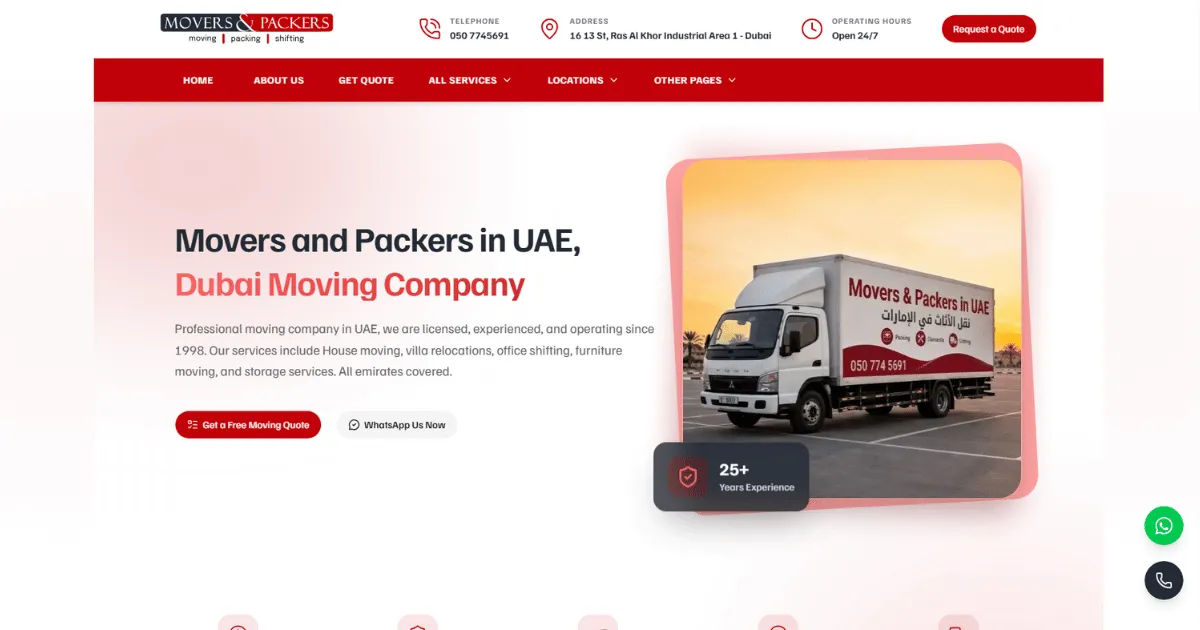
Choosing the best moving company in uae can make the entire process smoother by reducing stress and ensuring your belongings are handled properly.
A professional moving service does more than simply carry boxes from one place to another. It provides planning, trained workers, proper equipment, safe transportation, and solutions for unexpected challenges. Whether you are moving within the city, changing offices, or relocating from another area, the right moving partner can save you valuable time and effort.
Professional Experience Makes Moving Easier
One of the biggest reasons to hire an experienced moving company is the knowledge they bring to the process. Moving involves many small details that are easy to overlook. Professionals understand how to pack different types of items, how to handle heavy furniture, and how to transport fragile belongings safely.
An experienced team knows that every move is different. A small apartment move may require a different approach compared to relocating a large villa or commercial office. Skilled movers create a plan based on the size of the property, number of items, distance, and special requirements.
The best moving company in uae usually has trained staff who understand proper lifting techniques, packing methods, and transportation procedures. This experience helps prevent damage and makes the moving day more organized.
Safe Handling of Furniture and Valuable Items
Furniture and personal belongings often have emotional and financial value. A damaged sofa, broken glass item, or scratched wooden table can create unnecessary frustration during a move.
Professional movers use protective materials such as bubble wrap, moving blankets, strong cartons, and protective covers. Large furniture pieces can also be carefully dismantled and reassembled to avoid damage during transportation.
Many people underestimate the difficulty of moving items through narrow hallways, elevators, or staircases. A professional team knows how to handle these situations safely. They have the right tools and techniques to move heavy items without causing injuries or property damage.
Saves Time and Reduces Stress
Moving requires a lot of preparation. Many people try to manage everything themselves, but the process can quickly become overwhelming. Sorting items, purchasing packing supplies, loading vehicles, and arranging transportation can take several days or even weeks.
Hiring professionals allows you to focus on other important tasks, such as updating documents, managing utilities, or preparing your new location.
A reliable moving service follows a structured process. They arrive on schedule, complete tasks efficiently, and help you avoid common moving problems. This organized approach is one of the main benefits of working with the best moving company in uae.
Proper Packing Services for Different Needs
Packing is one of the most challenging parts of relocation. Different items require different packing methods. Electronics, kitchenware, artwork, clothing, and furniture all need special attention.
Professional movers understand how to pack items according to their size, weight, and fragility. They use suitable boxes and materials to keep everything secure during transportation.
Some companies also offer complete packing services where the team handles everything from preparing boxes to labeling items. This option is especially helpful for busy families, business owners, and people moving large properties.
Access to the Right Equipment and Vehicles
Moving heavy and large items without proper equipment can be risky. Professional moving companies use equipment such as dollies, lifting tools, ramps, and suitable vehicles to complete moves safely.
The transportation vehicle also plays an important role. A properly equipped moving truck protects belongings from weather conditions, road movement, and unnecessary handling.
The best moving company in uae invests in reliable equipment because it understands that quality tools improve safety and efficiency. This reduces the chances of delays and damage during the move.
Better Planning and Organization
A successful move requires proper planning. Professional movers usually begin by assessing the requirements of the move. They consider the amount of furniture, number of rooms, access points, and moving distance.
A detailed plan helps avoid confusion on moving day. Items can be packed, labeled, loaded, and delivered in an organized manner.
Good planning is especially important for office relocations. Businesses cannot afford long interruptions, so professional movers help complete the transition quickly while minimizing downtime.
Insurance and Protection Options
Unexpected situations can happen during any move. Even with careful handling, accidents may occur. Many professional moving companies provide protection options that give customers additional peace of mind.
Before hiring a mover, it is important to understand their policies regarding damaged or lost items. A trustworthy company explains its terms clearly and provides transparent information.
Choosing the best moving company in uae means selecting a service provider that values customer confidence and takes responsibility for handling belongings professionally.
Local Knowledge Provides Extra Advantages
The UAE has unique moving challenges. Weather conditions, traffic patterns, building rules, and access restrictions can affect the moving process.
A company with local experience understands these challenges. They know how to plan routes, coordinate with buildings, and manage different locations efficiently.
Local knowledge helps avoid unnecessary delays and ensures a smoother experience. Whether moving between apartments, villas, or offices, experienced movers can provide practical solutions.
Professional Services for Homes and Businesses
Moving companies are not limited to residential relocation. Many also provide commercial moving services for offices, shops, and other businesses.
Office moves require careful planning because important equipment, documents, and furniture must be transported safely. Professional movers can organize the process to reduce disruption.
For families, movers can handle household items, furniture, appliances, and personal belongings. For companies, they can manage workstations, files, and office equipment.
A reliable service provider adjusts its approach according to the customer’s needs.
How to Select the Right Moving Company
Choosing a moving company requires some research. Not every service provider offers the same level of quality. Before making a decision, consider several important factors.
First, check the company’s experience and reputation. Customer reviews and recommendations can provide useful information about service quality.
Second, ask about available services. Some companies only provide transportation, while others offer complete moving solutions including packing, loading, unloading, and setup.
Third, compare pricing and understand what is included. The cheapest option is not always the best choice. Quality, reliability, and safety should also be considered.
The best moving company in uae should provide clear communication, professional support, and dependable service from start to finish.
Benefits of Hiring Professional Movers Instead of Doing It Yourself
Many people consider moving without professional help to save money. However, self-moving can involve hidden costs and challenges.
You may need to rent a vehicle, purchase packing materials, ask friends for assistance, and spend several days completing the work. There is also a higher risk of damaging valuable items.
Professional movers bring experience and efficiency. They complete tasks faster and reduce physical stress. For many people, the convenience and safety provided by professionals are worth the investment.
A Smooth Moving Experience Starts With the Right Choice
A successful relocation depends on preparation, organization, and choosing reliable support. Professional movers help turn a complicated process into a manageable experience.
From careful packing to safe transportation and efficient unloading, every step requires attention. Working with an experienced company gives you confidence that your belongings are treated with care.
The right moving partner can make the difference between a stressful move and a smooth transition. This is why many individuals and businesses prefer working with the best moving company in uae when planning their relocation.
Conclusion
Moving is a major life event that requires proper planning and careful execution. While it may seem simple at first, handling everything alone can become difficult and time-consuming. Professional movers provide the skills, equipment, and experience needed to complete the process safely.
Choosing the right company helps protect your belongings, saves time, and reduces unnecessary stress. From packing fragile items to transporting large furniture and managing complex relocations, professional services provide valuable support.
The best moving company in uae offers more than transportation. It provides reliability, organization, safety, and peace of mind throughout the entire moving journey. By selecting an experienced and trusted mover, you can enjoy a smoother relocation and start your new chapter with confidence.
A leaking vape device can be frustrating, especially when you expect a smooth and convenient experience. The Lost THC V2 7.5 Gram CB9A Blend Disposable is designed as a portable device, but like any electronic product containing liquid or oil-based material, it can sometimes develop leaks.
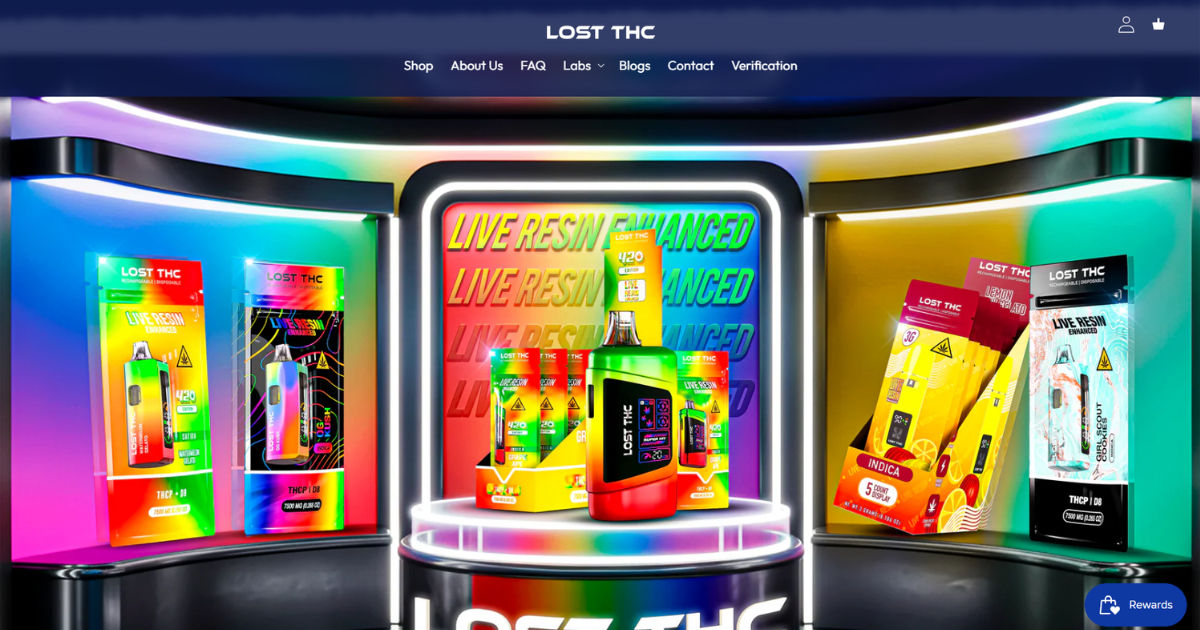
Understanding why this happens can help users identify possible causes and avoid common handling mistakes.When a Lost THC V2 7.5 Gram CB9A Blend Disposable starts leaking, the issue is usually connected to storage conditions, temperature changes, airflow problems, damaged seals, or internal pressure buildup. A leak does not always mean the device is completely unusable, but it is a sign that something needs attention.
This guide explains the common reasons behind leaking, how leaks happen, what warning signs to look for, and how proper care can reduce the chances of future problems.
Why Disposable Devices Leak
Disposable devices contain a combination of electronic components, a battery, an internal chamber, and a liquid or oil-based material. These parts must work together correctly for the device to function properly.
A leak happens when the material inside the chamber escapes through areas that are not designed for liquid movement. This can occur through the mouthpiece, airflow openings, connection points, or small gaps created by pressure or damage.
The Lost THC V2 7.5 Gram CB9A Blend Disposable has multiple internal components that depend on proper assembly and handling. Even a small issue with one component can affect how the device performs.
Common Causes of Leaking
Excessive Heat Exposure
Heat is one of the most common reasons disposable devices experience leaking problems.
When a device is exposed to high temperatures, the material inside can become thinner and move more easily. This increased flow can allow the liquid to reach areas where it should not be.
Leaving a disposable device in direct sunlight, inside a hot vehicle, or near heat-producing equipment can increase the chance of leakage. Temperature changes can also create pressure differences inside the chamber.
For the Lost THC V2 7.5 Gram CB9A Blend Disposable, keeping the device away from extreme heat helps maintain better internal balance and reduces unnecessary stress on seals.
Improper Storage Position
How a disposable device is stored can influence whether it leaks.
Keeping the device in unusual positions for long periods may allow liquid to collect near openings. Gravity can slowly move the material toward the mouthpiece or airflow areas.
A device that is stored properly in a stable position is less likely to experience unwanted movement of internal material.
Damaged or Weak Seals
Disposable devices rely on small seals and connections to keep internal material contained.
During manufacturing, transportation, or handling, these seals may sometimes become weak or damaged. If a seal is not properly closed, small amounts of liquid may escape.
The Lost THC V2 7.5 Gram CB9A Blend Disposable can develop leakage if there is an internal quality issue affecting the chamber or connection points.
Strong or Frequent Pulling
The way a device is used can also contribute to leaking.
Very strong or repeated pulling may create extra pressure changes inside the device. When airflow systems cannot balance this pressure properly, liquid may move toward areas where it can escape.
A smoother and more controlled approach generally reduces unnecessary pressure inside the device.
Clogging and Airflow Problems
Airflow issues can create pressure imbalance.
If the airflow pathway becomes blocked, the device may struggle to move air correctly. This can cause material to collect in unwanted areas.
Condensation, residue buildup, or small blockages can affect performance and may contribute to leaking around the mouthpiece.
Signs That Your Disposable Is Leaking
Liquid Around the Mouthpiece
One of the clearest signs of a leak is visible liquid around the top area.
If material appears around the mouthpiece, it may indicate that the internal chamber is allowing excess liquid movement.
Reduced Performance
A leaking device may not perform as expected. Users may notice inconsistent operation, unusual airflow, or reduced output.
These issues can happen because internal components are no longer working under normal conditions.
Sticky Exterior Surface
A sticky outer surface is another warning sign.
If liquid reaches the outside of the device, it can indicate a problem with the internal container, seals, or connections.
How Storage Affects Disposable Device Performance
Proper storage plays an important role in preventing leaks.
Avoid leaving disposable devices in places with extreme temperature changes. Hot environments can increase internal pressure, while very cold environments may affect the consistency of the material inside.
A stable room-temperature environment is usually better for maintaining the condition of the device.
The Lost THC V2 7.5 Gram CB9A Blend Disposable should also be protected from unnecessary impacts, drops, and rough handling because physical damage can affect internal connections.
Manufacturing and Quality Control Factors
Not every leak is caused by user handling.
Sometimes, manufacturing problems can create issues before a device reaches the customer. Small assembly mistakes, imperfect seals, or transportation damage can affect reliability.
Quality control is important because disposable devices contain several small parts that must fit together correctly.
If a new device leaks immediately after opening, the issue may be related to manufacturing rather than storage or handling.
What To Do When A Disposable Starts Leaking
Check the Source of the Leak
The first step is identifying where the leak is coming from.
Look around the mouthpiece, airflow openings, and outer casing. Finding the location can help determine whether the problem is caused by pressure, damage, or a seal issue.
Avoid Further Damage
If a device is leaking, avoid squeezing, shaking, or applying unnecessary force. These actions may push more material into unwanted areas.
Keep the device in a safe location while deciding the next step.
Contact the Seller or Manufacturer
If the device appears defective, contacting the seller or manufacturer may be the best option.
Many product issues are easier to resolve when reported early, especially if the device is new or unused.
Preventing Future Leaks
Store Properly
Good storage habits can make a significant difference. Keep disposable devices away from direct sunlight, extreme temperatures, and areas where they can be damaged.
Handle Carefully
Avoid dropping or crushing the device. Internal parts may be small and sensitive, even when the outside appears strong.
Monitor Performance
Pay attention to changes in airflow, unusual sounds, or visible liquid movement. Early signs can help prevent bigger problems later.
The Lost THC V2 7.5 Gram CB9A Blend Disposable may perform more consistently when it is handled carefully and stored correctly.
Frequently Asked Questions
Why does my disposable leak from the mouthpiece?
A disposable device may leak from the mouthpiece because of excess material movement, heat exposure, airflow imbalance, or internal pressure changes. Storage position and environmental conditions can also contribute to this issue.
Can heat make a disposable vape leak?
Yes, heat can increase the movement of liquid materials inside a device. When the internal material becomes thinner, it may reach areas that can cause leakage.
Is a leaking disposable always defective?
Not always. Some leaks happen because of storage or handling conditions. However, if a new device leaks immediately, it may indicate a manufacturing problem.
How can I reduce the chance of leaks?
Keeping the device away from extreme temperatures, handling it carefully, and storing it properly can reduce the likelihood of leakage.
Should I use a disposable device that is leaking?
A leaking device should be inspected carefully before further use. If there is significant damage, visible leakage, or unusual performance, it is better to stop using it and seek guidance from the seller or manufacturer.
Conclusion
A leaking disposable device can happen for several reasons, including heat exposure, storage mistakes, airflow problems, damaged seals, or manufacturing issues. Understanding these causes makes it easier to identify what may have gone wrong.
The Lost THC V2 7.5 Gram CB9A Blend Disposable depends on properly functioning internal components, and even small changes in temperature, pressure, or handling can affect performance. While some leaks may be prevented through better storage and careful handling, others may be connected to product quality issues.
Paying attention to early warning signs, avoiding extreme conditions, and treating the device carefully can help maintain better reliability. When a leak occurs, identifying the cause is the first step toward making a safer decision about what to do next.
A disposable device is a small piece of technology with several working parts. Proper care and awareness can help reduce common problems and improve the overall experience.
Modern industrial environments require more than basic cleaning. Warehouse and Factory Cleaning Services UK provide specialist solutions designed to maintain safe, productive, and compliant workplaces.

Warehouse and Factory Cleaning Services UK are created for warehouses, manufacturing units, distribution centres, and industrial facilities where regular cleaning standards must be higher than those used in ordinary commercial spaces. A clean warehouse or factory supports employee safety, improves operational efficiency, and protects equipment from damage.
Industrial cleaning involves removing dust, waste, grease, and contaminants that can affect daily operations. This comprehensive guide explains what these services cover and why they are important for businesses across different industries.
Industrial Cleaning Requirements
Warehouses and factories experience constant activity. Forklifts move materials, machines operate continuously, and workers handle products throughout the day. Over time, dirt, debris, and industrial residues can build up in important areas.
Unlike regular office cleaning, industrial cleaning requires specialised equipment, trained staff, and detailed planning. Cleaning teams must understand workplace risks, production schedules, and industry regulations before carrying out their tasks.
Professional Warehouse and Factory Cleaning Services UK providers offer flexible schedules to avoid disrupting business operations. They may work during evenings, weekends, or planned shutdown periods depending on the needs of the facility.
Floor Cleaning and Maintenance
One of the main areas covered by Warehouse and Factory Cleaning Services UK is industrial floor cleaning. Reliable Warehouse and Factory Cleaning Services UK also focus on preventing long-term maintenance issues. Factory and warehouse floors face heavy traffic from vehicles, machinery, and employees. Dirt, oil, chemicals, and other substances can create safety hazards if they are not removed properly.
Cleaning teams use industrial-grade machines such as scrubbers, sweepers, and pressure washers to restore floor conditions. Different flooring materials require different approaches, including concrete, epoxy, vinyl, and specialist industrial surfaces.
Regular floor maintenance helps reduce slip risks, improves workplace appearance, and extends the lifespan of flooring systems. A well-maintained floor also makes it easier for employees to move safely around the facility.
Machinery and Equipment Cleaning
Factories depend on machinery that must operate efficiently. Dust, grease, and production waste can collect on equipment and reduce performance. In some cases, poor cleaning practices may lead to breakdowns or expensive repairs.
Professional teams carefully clean machinery while following safety procedures. They remove unwanted build-up from production lines, tools, and equipment surfaces without damaging sensitive components.
Equipment cleaning is especially important in industries such as food production, pharmaceuticals, engineering, and manufacturing, where hygiene standards are strict.
High-Level Cleaning Services
Many industrial buildings have areas that are difficult to reach, including ceilings, beams, pipes, lighting systems, and ventilation points. These locations can collect dust and debris over time.
High-level cleaning is a specialised service that uses appropriate access equipment and safety methods. Trained cleaners remove accumulated dirt from elevated areas to improve air quality and maintain a safer workplace.
Regular high-level cleaning can also support compliance with health and safety requirements. It helps prevent dust accumulation that could affect workers or interfere with operations.
Warehouse Storage Area Cleaning
Storage spaces need regular attention because they directly affect inventory management. Dusty shelves, dirty aisles, and neglected storage zones can create an inefficient working environment.
Warehouse cleaning includes cleaning racking systems, storage areas, loading zones, and walkways. Teams ensure that spaces remain organised, accessible, and safe for employees.
Clean storage areas also help businesses maintain a professional image when customers, suppliers, or inspectors visit the facility.
Waste Removal and Disposal
Industrial workplaces produce different types of waste, including packaging materials, production waste, and general rubbish. Proper waste management is an essential part of maintaining a clean environment.
Cleaning companies help collect and remove waste while following appropriate disposal procedures. Some providers also support recycling programmes to help businesses reduce environmental impact.
Efficient waste removal prevents clutter, improves safety, and allows employees to work in a more organised environment.
Deep Cleaning for Industrial Facilities
Routine cleaning handles everyday dirt, but deep cleaning addresses areas that require extra attention. Warehouse and Factory Cleaning Services UK often include scheduled deep cleaning programmes to maintain long-term hygiene standards.
Deep cleaning may involve detailed scrubbing, disinfecting surfaces, cleaning hidden areas, and removing stubborn stains. These services are particularly valuable after maintenance work, before audits, or during planned facility closures.
A deep cleaning programme helps businesses maintain consistent cleanliness rather than waiting until problems become serious.
Health and Safety Benefits
Workplace safety is one of the biggest reasons businesses invest in professional industrial cleaning. Slippery floors, dust accumulation, and unmanaged waste can increase the chance of accidents.
Professional cleaners understand how to identify common industrial cleaning risks. Their methods help create safer working conditions for employees while supporting workplace regulations.
A cleaner environment can also improve employee confidence and productivity. Workers are more comfortable and motivated when they operate in a safe and organised facility.
Compliance and Industry Standards
Many industries must follow strict cleanliness and safety requirements. Manufacturing, food processing, and healthcare-related production environments often require detailed cleaning procedures.
Experienced cleaning companies understand the importance of documentation, scheduled maintenance, and consistent standards. They can create cleaning plans based on the specific requirements of each facility.
Using professional Warehouse and Factory Cleaning Services UK helps businesses demonstrate their commitment to workplace standards and operational responsibility.
Specialist Cleaning Solutions
Different factories and warehouses have different cleaning challenges. A food manufacturing facility may require hygiene-focused cleaning, while an engineering factory may need oil and grease removal.
Specialist cleaning solutions can include:
- Pressure washing
- Chemical cleaning
- Sanitisation services
- Dust control
- Spill cleaning
- Production area cleaning
- Equipment cleaning
- Floor restoration
These customised services ensure that businesses receive solutions suited to their environment rather than a general cleaning approach.
Benefits of Hiring Professional Industrial Cleaners
Professional Warehouse and Factory Cleaning Services UK providers provide expertise that internal staff may not have. They understand industrial environments, use suitable equipment, and follow safe cleaning procedures.
Hiring experts can save businesses time because employees can focus on their main responsibilities instead of handling large-scale cleaning tasks.
Another advantage is consistency. A planned cleaning schedule ensures that important areas receive regular attention and cleanliness standards remain stable throughout the year.
How to Choose the Right Cleaning Provider
Choosing the right cleaning company for Warehouse and Factory Cleaning Services UK requires careful consideration. Businesses should look for providers with experience in industrial environments and knowledge of workplace safety practices.
Important factors include:
- Experience with similar facilities
- Trained cleaning staff
- Appropriate equipment
- Flexible scheduling options
- Strong safety procedures
- Positive reputation
A reliable provider should understand the unique needs of the business and create a cleaning plan that supports daily operations.
Conclusion
Warehouses and factories require specialised cleaning solutions because they operate in demanding environments. From floor maintenance and machinery cleaning to waste removal and high-level cleaning, every service plays an important role in maintaining a safe and efficient workplace.
Warehouse and Factory Cleaning Services UK cover a wide range of tasks designed to improve hygiene, protect equipment, and support compliance with industry standards. Businesses that invest in professional cleaning solutions, including Warehouse and Factory Cleaning Services UK, can create better working conditions while improving operational performance.
A clean industrial facility supported by Warehouse and Factory Cleaning Services UK is not only more attractive but also safer, more productive, and easier to manage. With the right cleaning partner, companies can maintain high standards and focus on their core business activities with confidence.
