Author: AsimAli
Gaming performance is one of the most important factors people consider when purchasing a gaming computer. Many buyers wonder whether a budget Gaming PC UAE can deliver smooth gameplay without spending a fortune. The good news is that modern budget gaming systems are much more powerful than they were a few years ago. 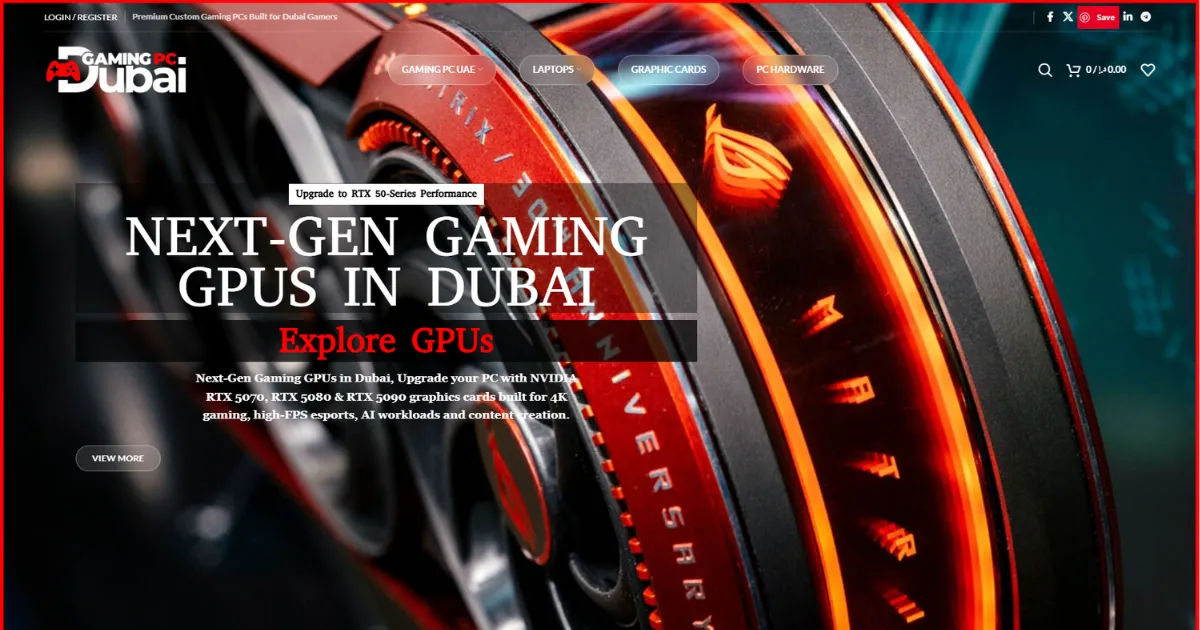
If you are considering a budget Gaming PC UAE, understanding FPS is essential. FPS, or frames per second, determines how smooth a game appears on your screen. Higher FPS generally means a more responsive and enjoyable gaming experience. Whether you enjoy competitive shooters, racing games, sports titles, or open-world adventures, knowing what FPS you can expect helps you make a smarter purchasing decision.
This guide explains how many FPS a budget Gaming PC UAE can achieve, what factors influence performance, and what you can realistically expect from different games and settings.
FPS and Why It Matters
FPS stands for Frames Per Second. It measures how many images your computer generates every second while playing a game.
For example:
-
30 FPS is considered playable.
-
60 FPS is considered smooth.
-
120 FPS offers highly responsive gameplay.
-
144 FPS and above is ideal for competitive gaming.
A gaming PC capable of producing higher FPS creates smoother animations and faster reactions. This is especially important in competitive games where every millisecond matters.
Many gamers purchasing a budget Gaming PC UAE aim for at least 60 FPS because it provides an excellent balance between performance and affordability.
What Is Considered a Budget Gaming PC?
The definition of a budget gaming PC changes over time because hardware prices fluctuate. In the UAE market, a budget gaming system typically includes:
These systems are designed to deliver solid gaming performance without reaching premium price levels.
A typical budget Gaming PC UAE focuses on value rather than extreme performance. Instead of targeting 4K gaming, these computers are usually optimized for 1080p gaming, which remains the most popular gaming resolution worldwide.
Factors That Affect FPS
Several hardware and software components influence FPS performance.
Graphics Card
The graphics card is the most important component for gaming.
A stronger GPU can render more frames per second and handle higher graphical settings. Most budget gaming systems include graphics cards capable of delivering excellent 1080p performance.
Processor
The CPU handles game calculations, physics, and background tasks.
Modern games benefit from multiple cores and faster clock speeds. A balanced CPU prevents bottlenecks and helps maintain stable FPS.
RAM
Memory affects loading times and overall system responsiveness.
Today, 16GB RAM is considered the sweet spot for gaming. Most budget Gaming PC UAE configurations include this amount because it supports modern games comfortably.
Storage
An SSD does not directly increase FPS but improves loading speeds and overall gaming experience.
Games launch faster and levels load more quickly compared to traditional hard drives.
Game Settings
Lower settings generally result in higher FPS.
Players can adjust:
-
Texture quality
-
Shadows
-
Anti-aliasing
-
View distance
-
Reflections
Reducing demanding settings often provides a noticeable FPS boost.
Screen Resolution
Higher resolutions require more processing power.
Common gaming resolutions include:
A budget Gaming PC UAE typically performs best at 1080p resolution.
Expected FPS at 1080p Gaming
The majority of budget gaming systems are designed for 1080p gaming.
At this resolution, players can enjoy excellent performance across many popular titles.
Typical FPS expectations include:
-
Esports games: 100–250 FPS
-
Battle royale games: 60–120 FPS
-
Racing games: 60–120 FPS
-
Open-world games: 50–100 FPS
-
Story-driven AAA games: 45–90 FPS
These numbers vary depending on hardware and settings, but they demonstrate how capable a modern budget Gaming PC UAE can be.
FPS in Popular Esports Games
Esports titles are generally optimized to run efficiently.
Valorant
Valorant is one of the least demanding competitive shooters.
Many budget gaming systems can achieve:
-
Low settings: 200–300 FPS
-
Medium settings: 150–250 FPS
-
High settings: 120–200 FPS
This makes a budget Gaming PC UAE an excellent choice for Valorant players.
Counter-Strike 2
Counter-Strike remains one of the world's most popular competitive games.
Expected performance:
-
Low settings: 150–250 FPS
-
Medium settings: 120–180 FPS
-
High settings: 90–150 FPS
These frame rates provide a smooth competitive experience.
League of Legends
League of Legends runs exceptionally well on budget hardware.
Typical FPS:
Even affordable gaming systems can easily handle this title.
Dota 2
Dota 2 performs similarly.
Expected FPS:
A budget Gaming PC UAE can deliver very smooth gameplay in MOBA titles.
FPS in Battle Royale Games
Battle royale games are generally more demanding.
Fortnite
Fortnite performance depends heavily on settings.
Expected FPS:
-
Performance Mode: 120–200 FPS
-
Medium settings: 80–140 FPS
-
High settings: 60–100 FPS
Many gamers choose Performance Mode for maximum responsiveness.
Apex Legends
Apex Legends requires more graphical power.
Typical FPS:
A good budget Gaming PC UAE can maintain smooth gameplay throughout matches.
PUBG
PUBG remains demanding despite years of updates.
Expected FPS:
Careful settings optimization can improve performance significantly.
FPS in AAA Games
AAA games typically push hardware harder than esports titles.
Cyberpunk 2077
Cyberpunk is one of the most demanding games available.
Expected FPS:
With optimized settings, a budget Gaming PC UAE can still provide a very enjoyable experience.
Red Dead Redemption 2
This open-world masterpiece requires substantial GPU power.
Typical FPS:
The game remains visually impressive even on medium settings.
Hogwarts Legacy
Expected performance:
Players can enjoy excellent visuals while maintaining smooth gameplay.
Assassin's Creed Series
Recent titles are graphically intensive.
Expected FPS:
A well-configured budget Gaming PC UAE can handle these games effectively.
FPS in Racing Games
Racing games benefit greatly from higher frame rates.
Forza Horizon 5
Typical performance:
The game's optimization allows strong performance on affordable hardware.
F1 Series
Expected FPS:
A budget Gaming PC UAE can deliver excellent racing performance with responsive controls.
Can Budget Gaming PCs Reach 144 FPS?
Yes, many modern budget systems can achieve 144 FPS in competitive games.
Games where 144 FPS is realistic include:
-
Valorant
-
Counter-Strike 2
-
League of Legends
-
Rocket League
-
Overwatch 2
-
Rainbow Six Siege
This makes high-refresh-rate monitors worthwhile even for budget gamers.
However, achieving 144 FPS in modern AAA games is more challenging and usually requires reduced settings.
How Graphics Settings Affect FPS
Changing graphics settings can dramatically improve performance.
Low Settings
Benefits:
-
Maximum FPS
-
Better responsiveness
-
Lower hardware stress
Competitive players often prefer low settings.
Medium Settings
Benefits:
-
Good visuals
-
Strong FPS
-
Balanced experience
Most users of a budget Gaming PC UAE find medium settings ideal.
High Settings
Benefits:
-
Better graphics quality
-
More visual effects
Drawback:
Players must decide whether visual quality or performance is more important.
The Role of Monitor Refresh Rate
Your monitor affects how much FPS you can actually see.
Common refresh rates include:
-
60Hz
-
75Hz
-
120Hz
-
144Hz
-
165Hz
A 60Hz monitor displays up to 60 frames per second.
A 144Hz monitor can display up to 144 frames per second.
If your budget Gaming PC UAE regularly produces over 100 FPS, upgrading to a higher-refresh-rate monitor can significantly improve smoothness.
How Long Will a Budget Gaming PC Stay Relevant?
A quality budget gaming system can remain useful for several years.
Most users can expect:
Future upgrades may include:
-
Better graphics card
-
Additional RAM
-
Larger SSD
-
Improved cooling
This flexibility increases the long-term value of a budget Gaming PC UAE.
Tips to Maximize FPS
Getting the highest FPS does not always require new hardware.
Useful tips include:
-
Update graphics drivers regularly.
-
Close background applications.
-
Keep Windows updated.
-
Use game optimization settings.
-
Enable performance modes.
-
Monitor temperatures.
-
Remove unnecessary startup programs.
These simple adjustments can provide measurable performance improvements.
Is 60 FPS Enough for Gaming?
For many players, 60 FPS remains the ideal target.
Benefits include:
Most modern budget Gaming PC UAE systems can achieve 60 FPS or more in a wide variety of games.
Competitive players may prefer higher frame rates, but 60 FPS remains an excellent standard.
Choosing the Right Budget Gaming PC
Before purchasing a gaming computer, consider:
-
Target resolution
-
Preferred games
-
Desired FPS
-
Upgrade potential
-
Cooling quality
-
Warranty support
Different games place different demands on hardware.
Someone focused on esports games may prioritize CPU performance, while AAA gamers may need a stronger graphics card.
Selecting the right budget Gaming PC UAE depends on your gaming goals and budget.
Conclusion
A modern budget Gaming PC UAE can achieve surprisingly strong gaming performance. In esports titles such as Valorant, Counter-Strike 2, League of Legends, and Rocket League, players can often enjoy frame rates well above 100 FPS and sometimes exceed 200 FPS. In battle royale games like Fortnite and Apex Legends, smooth gameplay between 60 and 140 FPS is common depending on settings. Even demanding AAA games such as Cyberpunk 2077, Red Dead Redemption 2, and Hogwarts Legacy can run comfortably between 45 and 90 FPS with optimized graphics settings.
The key factors influencing FPS include the graphics card, processor, memory, storage, game settings, and monitor resolution. Most gamers will find that a budget Gaming PC UAE delivers excellent value at 1080p resolution, which remains the most popular choice for gaming. With proper hardware selection, smart settings adjustments, and future upgrade options, budget gaming systems can provide years of enjoyable performance.
For gamers who want a balance between affordability and capability, a budget Gaming PC UAE offers an excellent opportunity to enjoy modern gaming without spending premium prices. Whether your goal is competitive esports, immersive open-world adventures, racing simulations, or multiplayer action, today's budget gaming computers are more than capable of delivering a smooth and enjoyable gaming experience.
Modern kitchens in Pakistan are changing rapidly because homeowners now expect more than basic cooking tools. They want appliances that save time, reduce energy consumption, improve convenience, and match modern lifestyles.
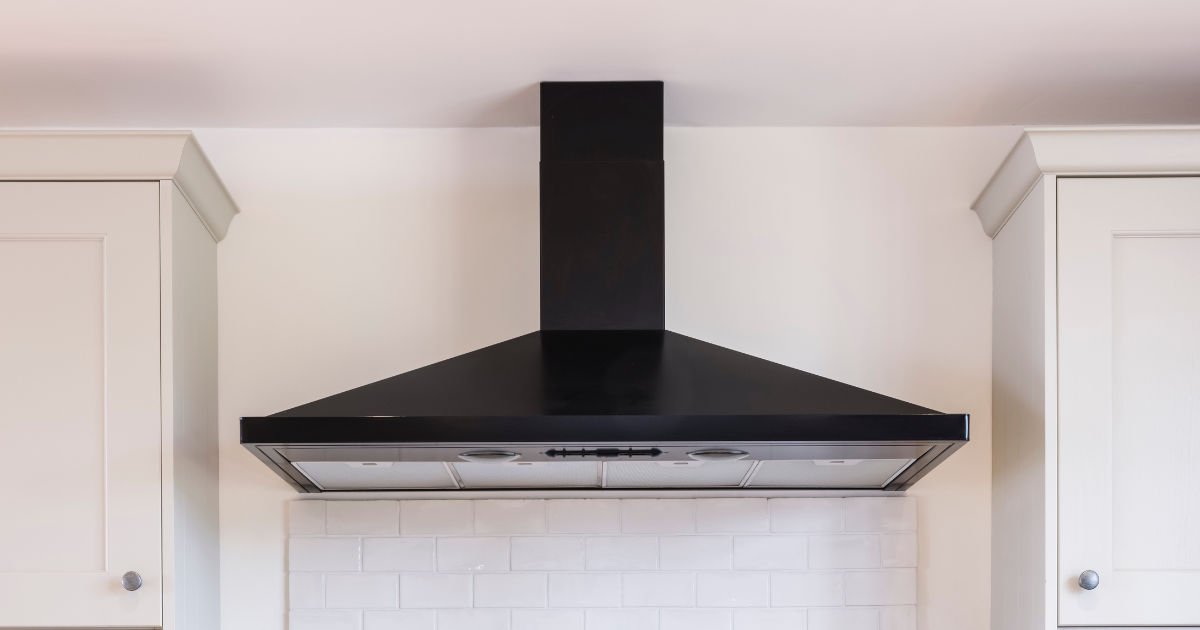
Choosing products from the best kitchen appliances store Pakistan helps customers access advanced technology, reliable brands, and appliances designed for everyday needs.In the past, kitchen appliances were mainly focused on completing simple tasks. Today, innovation has transformed them into smart, efficient, and user-friendly solutions.
From refrigerators with intelligent cooling systems to ovens with multiple cooking modes, modern appliances are helping Pakistani households create more organized and comfortable kitchens.
Innovation is not only about adding new features. It is about solving real problems faced by families. Electricity costs, busy schedules, limited kitchen space, and changing cooking habits have encouraged manufacturers to design appliances that provide better performance with less effort.
The Evolution of Kitchen Appliances in Pakistan
The Pakistani kitchen has experienced significant changes over the years. Traditional cooking methods are still popular, but modern appliances are becoming an essential part of many homes.
Earlier, many families relied on manual tools and basic electrical equipment. Today, appliances such as air fryers, smart refrigerators, automatic washing machines, induction cookers, and advanced blenders have become common choices.
Modern consumers also research products carefully before purchasing. They compare features, prices, durability, and after-sales services. A trusted best kitchen appliances store Pakistan provides detailed product information, helping customers make better decisions.
The growth of online shopping has also made innovative appliances easier to access. Customers can now explore different brands, compare specifications, and choose products according to their kitchen requirements.
Smart Technology Integration in Kitchen Appliances
One of the biggest innovations in modern kitchen appliances is smart technology. Manufacturers are adding digital features that make appliances easier to control and more efficient.
Smart Refrigerators
Modern refrigerators are no longer simple cooling boxes. Many advanced models include temperature control systems, energy-saving modes, digital displays, and smart sensors.
Some refrigerators can automatically adjust cooling based on food storage conditions. This helps maintain freshness and reduces unnecessary energy usage.
In Pakistan, where electricity costs are an important concern, energy-efficient refrigerators are becoming increasingly popular. Consumers looking for premium products often visit the best kitchen appliances store Pakistan to find models with advanced cooling technology.
Smart Cooking Appliances
Cooking appliances have also become more intelligent. Modern ovens, microwaves, and cookers offer preset cooking programs that help users prepare meals easily.
For example, smart ovens can provide specific settings for baking, grilling, roasting, and reheating. This reduces guesswork and improves cooking results.
These features are especially helpful for working individuals who want to prepare quality meals without spending too much time in the kitchen.
Energy Efficiency and Cost Savings
Energy efficiency is one of the most important factors behind modern kitchen appliance innovation in Pakistan.
With increasing electricity prices, families are searching for appliances that consume less power while maintaining strong performance. Manufacturers are responding by developing products with energy-saving motors, improved insulation, and intelligent power management systems.
Inverter Technology
Inverter technology has become a major advancement in appliances such as refrigerators, air conditioners, and washing machines.
Traditional appliances often operate at full power and then switch off completely. Inverter-based appliances adjust their performance according to requirements, reducing energy waste.
This technology helps households lower electricity bills while extending appliance lifespan.
Eco-Friendly Designs
Modern manufacturers are also focusing on environmentally friendly designs. Many appliances now use materials and technologies that reduce environmental impact.
Energy-efficient products not only benefit the environment but also provide long-term savings for consumers.
Space-Saving Designs for Modern Pakistani Homes
Many urban homes in Pakistan have limited kitchen space. Because of this, manufacturers are creating compact appliances that deliver powerful performance without requiring large areas.
Small kitchens benefit from multifunctional products such as combination ovens, compact dishwashers, and multipurpose food processors.
A reliable best kitchen appliances store Pakistan usually offers different sizes and designs, allowing customers to select appliances that fit their available space.
Multifunctional Appliances
One major trend is the development of appliances that perform multiple tasks.
For example, a modern food processor may chop, blend, grind, and mix ingredients. Similarly, combination microwave ovens can cook, bake, and heat food.
These appliances reduce the need to purchase multiple separate machines, saving both money and kitchen space.
Improved User Convenience
Modern kitchen appliances are designed around user convenience. Manufacturers understand that people want faster and easier ways to complete daily tasks.
Automatic Programs
Automatic settings are one of the most useful innovations. Washing machines, ovens, and dishwashers now include programs designed for specific needs.
A washing machine can automatically select water levels and washing cycles based on clothing type. An oven can adjust temperature and cooking time according to selected recipes.
These features make appliances easier to use, even for beginners.
Digital Controls
Touchscreens, digital displays, and smart controls have improved the overall user experience.
Instead of complicated buttons, modern appliances often provide simple interfaces that allow users to adjust settings quickly.
Advanced Cooking Technology
Cooking appliances have experienced major innovation in recent years. Pakistani consumers now have access to products that support healthier and faster cooking methods.
Air Frying Technology
Air fryers have become popular because they allow people to prepare crispy foods using less oil.
This technology uses hot air circulation to cook food evenly. It provides a healthier alternative to traditional deep frying.
Many households use air fryers for snacks, chicken, vegetables, and frozen foods.
Induction Cooking
Induction cookers are another example of modern innovation. They use electromagnetic technology to heat cookware directly.
Benefits include faster heating, better temperature control, and improved safety compared with traditional cooking methods.
These appliances are becoming attractive options for modern kitchens.
Better Safety Features
Safety is a major focus in the development of modern appliances. Manufacturers are adding features that protect users and improve reliability.
Examples include:
These features provide peace of mind, especially in homes with children.
Customers purchasing from the best kitchen appliances store Pakistan often consider safety features before selecting a product because reliable performance is just as important as modern design.
Durability and Better Materials
Innovation is not only about technology. The quality of materials used in appliances has also improved.
Modern appliances often include stronger components, stainless steel finishes, improved motors, and durable internal parts.
High-quality materials help appliances perform better and last longer.
Long-Term Value
Although advanced appliances may have higher initial costs, they often provide better value over time.
Energy savings, fewer repairs, and improved performance can make modern appliances a smart investment for households.
The Role of Online Shopping in Appliance Innovation
Online platforms have changed how Pakistani customers purchase kitchen appliances.
Consumers can now compare different brands, read reviews, check specifications, and find competitive prices from home.
A professional best kitchen appliances store Pakistan understands that customers need transparency and convenience. Many stores now provide detailed descriptions, customer support, delivery options, and warranty information.
Online access has also increased awareness about new technologies. People can discover innovative products that were previously unavailable in local markets.
Popular Modern Kitchen Appliances in Pakistan
Several innovative appliances are becoming increasingly common in Pakistani homes.
Refrigerators
Modern refrigerators offer:
Washing Machines
Advanced washing machines provide:
Microwave Ovens
Modern microwaves include:
-
Multiple cooking modes
-
Quick heating options
-
Digital controls
-
Safety features
Blenders and Food Processors
These appliances help with:
-
Smoothies
-
Sauces
-
Grinding spices
-
Food preparation
Coffee Machines and Beverage Appliances
With changing lifestyles, beverage appliances are also becoming popular. They allow users to prepare café-style drinks conveniently at home.
How to Choose Innovative Kitchen Appliances
Selecting the right appliance requires careful consideration. Buyers should focus on practical needs rather than purchasing only because of attractive features.
Check Energy Ratings
Energy-efficient appliances can significantly reduce monthly electricity expenses.
Consider Kitchen Space
Measure available space before buying large appliances. Compact designs may be better for smaller kitchens.
Compare Features
Different models offer different functions. Choose features that match your daily requirements.
Review Brand Reliability
A trusted brand with good customer service can provide better long-term satisfaction.
Many customers compare options at the best kitchen appliances store Pakistan because professional guidance helps them understand product differences.
Future of Kitchen Appliances in Pakistan
The future of kitchen appliances looks highly advanced. Technology will continue improving the way people cook, store food, and manage household tasks.
Artificial intelligence, voice controls, and connected home systems may become more common in Pakistani kitchens.
Future appliances may automatically monitor food supplies, suggest recipes, reduce energy consumption, and communicate with other smart devices.
As lifestyles become busier, demand for convenient and efficient kitchen solutions will continue increasing.
Conclusion
Modern kitchen appliances in Pakistan are innovative because they combine technology, efficiency, convenience, and improved design. They are created to solve everyday challenges such as saving time, reducing electricity costs, and making cooking easier.
Smart features, energy-efficient systems, compact designs, and advanced safety options have changed the way people use their kitchens. Consumers now have more choices than ever before, allowing them to create kitchens that match their lifestyles.
Choosing products from a reliable best kitchen appliances store Pakistan can help customers find appliances that offer quality, durability, and modern features. Whether someone needs a smart refrigerator, efficient cooking appliance, or multifunctional kitchen tool, innovation has made it easier to build a practical and comfortable kitchen.
As technology continues to develop, kitchen appliances will become even smarter and more connected. The modern Pakistani kitchen is moving toward a future where appliances are not just tools but intelligent partners that improve everyday living.
Reverse Image Search has become one of the most useful tools on the internet for finding visual matches, identifying objects, and exploring where an image comes from. When people ask whether an image search tool can find similar images, the short answer is yes—but the real answer is more detailed.
Modern systems use Reverse Image Search techniques combined with artificial intelligence to locate visually similar content across billions of images online.
In this guide, we will explore how image search tools work, whether they can truly find similar images, and what technology powers them. We will also look at real-life uses, limitations, and the future of visual search. The goal is to make this topic easy to understand for a 12th-grade level reader while keeping it practical and clear.
What is an Image Search Tool?
An image search tool is a system that allows users to search using images instead of text. Instead of typing keywords, you upload a picture or paste an image link. The system then scans the internet or a database to find related visuals.
At its core, Reverse Image Search is a method that flips traditional searching. Instead of searching with words, you search with an image. This helps identify objects, people, places, and even products.
Most modern search engines like Google Images, Bing Visual Search, and specialized apps rely on Reverse Image Search to analyze patterns, shapes, colors, and textures inside an image.
The main purpose of an image search tool is not just to find exact matches but also to discover similar images that share visual features.
How Image Search Tools Find Similar Images
To understand whether an image search tool can find similar images, we need to understand how it works internally.
When you upload an image, the system does not “see” it like humans do. Instead, it converts the image into digital data.
Step 1: Image Analysis
The tool breaks the image into components such as:
- Colors
- Shapes
- Edges
- Patterns
- Objects
This is the foundation of Reverse Image Search, where every pixel contributes to understanding the image.
Step 2: Feature Extraction
The system extracts “features” from the image. These features are unique patterns that describe what the image contains.
For example, a picture of a dog might be broken down into:
- Fur texture
- Ear shape
- Body outline
- Color tone
This step is essential in Reverse Image Search because it helps the system compare images based on structure instead of text.
Step 3: Matching Process
After extracting features, the system compares them with millions (or billions) of images stored in databases.
It does not just look for identical images. Instead, it searches for:
- Similar shapes
- Similar color distribution
- Similar object placement
This is where Reverse Image Search becomes powerful, as it allows near-duplicate and visually similar results.
Step 4: Ranking Results
Finally, the system ranks results based on similarity scores. The most visually similar images appear at the top.
So yes, image search tools are designed to find similar images, not just identical ones.
Role of Reverse Image Search in Modern Technology
The concept of Reverse Image Search plays a central role in how image search engines function today. Without it, visual matching would not be possible at scale.
Identity and Object Recognition
One major use of Reverse Image Search is identifying unknown objects. For example, if you take a picture of a landmark, the system can tell you what it is and show similar images.
Content Verification
Journalists and researchers use Reverse Image Search to verify whether an image is real or has been used before in another context.
Shopping and E-commerce
Online shopping platforms rely heavily on Reverse Image Search to help users find products by uploading pictures instead of typing names.
Social Media Tracking
It also helps detect fake profiles or reused content by finding similar images across platforms.
Can Image Search Tools Really Find Similar Images?
Yes, but with some conditions.
Modern image search systems are designed specifically to perform Reverse Image Search and identify similar visuals. However, “similarity” can mean different things depending on the system.
Types of Similarity Detected
- Exact matches
- Near duplicates
- Visually similar images
- Contextually related images
For example, if you upload a picture of a red car, the system might show:
- The same car from different angles
- Other red cars
- Cars with similar shapes
This is possible because of advanced Reverse Image Search algorithms.
AI Understanding
Artificial intelligence improves the accuracy of similarity detection. It can understand objects, not just pixels. This means Reverse Image Search is no longer limited to simple pattern matching.
So, the answer is clear: image search tools can find similar images, but the level of similarity depends on the algorithm and data quality.
Technologies Behind Image Similarity Search
To truly understand how Reverse Image Search works, we must look at the technology behind it.
1. Computer Vision
Computer vision allows machines to interpret images. It breaks down visuals into mathematical data.
This is a core part of Reverse Image Search, enabling systems to “see” images digitally.
2. Deep Learning
Deep learning models, especially convolutional neural networks (CNNs), analyze images in layers. Each layer identifies more complex features.
For example:
- First layer: edges
- Middle layer: shapes
- Deep layer: objects
This layered approach improves Reverse Image Search accuracy.
3. Image Embeddings
Images are converted into numerical vectors called embeddings. These vectors represent visual meaning.
Two images with similar embeddings are considered similar by Reverse Image Search systems.
4. Perceptual Hashing
Perceptual hashing creates a unique fingerprint for each image. Even if an image is slightly edited, the hash remains similar.
This helps Reverse Image Search detect modified or resized images.
5. Large Image Databases
Search engines store billions of images. Without large databases, Reverse Image Search would not be effective.
Limitations of Image Search Tools
Even though Reverse Image Search is powerful, it has limitations.
1. Context Confusion
Sometimes the system misunderstands the context. For example, a dog in a park might be matched with dogs in studios.
2. Low-Quality Images
Blurry or low-resolution images reduce accuracy in Reverse Image Search results.
3. Similar but Not Identical Meaning
Two images may look similar but represent different things. The system may confuse them.
4. Limited Database Coverage
If an image is not indexed in the database, Reverse Image Search may not find it.
5. Overgeneralization
Sometimes results become too broad, showing unrelated but visually similar images.
Real-Life Uses of Similar Image Search
The ability to find similar images has many practical uses.
Education
Students use Reverse Image Search to identify diagrams, historical photos, and scientific images.
Journalism
Reporters verify image authenticity using Reverse Image Search tools.
Digital Marketing
Marketers analyze competitor visuals and brand identity through similar image searches.
Personal Use
People use it to find wallpapers, locate unknown objects, or identify fashion items.
Security
Cybersecurity teams use Reverse Image Search to track stolen or reused digital content.
Tips for Better Image Search Results
To get the best results from Reverse Image Search, follow these tips:
Use High-Quality Images
Clear images improve recognition accuracy.
Crop Unnecessary Areas
Focus on the main subject to improve Reverse Image Search precision.
Try Different Angles
If one search fails, try another version of the image.
Use Multiple Platforms
Different tools may produce different Reverse Image Search results.
Avoid Heavy Filters
Filters can distort image features and reduce matching accuracy.
Future of Image Search Technology
The future of Reverse Image Search is highly advanced and AI-driven.
1. Real-Time Visual Search
Soon, users will be able to point their camera and instantly get results.
2. Better Object Understanding
AI will understand scenes more deeply, not just objects.
3. Multimodal Search
Future systems will combine text, voice, and image inputs for better Reverse Image Search results.
4. AR Integration
Augmented reality will allow users to see search results over real-world objects.
5. Faster and Smarter Algorithms
Search engines will process images in milliseconds with higher accuracy.
Conclusion
Image search tools have evolved significantly over the years, and today they are deeply powered by Reverse Image Search technology. These systems are not limited to finding identical images; they are capable of detecting visual patterns, objects, and even context-based similarities.
The ability to find similar images depends on advanced technologies like computer vision, deep learning, and image embeddings. While there are still limitations such as context confusion and database coverage, the overall performance continues to improve rapidly.
In simple terms, yes—image search tools can find similar images effectively, and Reverse Image Search is the core technology that makes it possible. From education to security, from shopping to journalism, this technology has become an essential part of modern digital life.
As AI continues to grow, we can expect even more accurate and intelligent visual search systems in the future, making Reverse Image Search even more powerful and accessible for everyone.
If you are planning a trip and wondering about Taxi ballarat to Melbourne Airport, you are not alone. Many travelers choose this option because it offers comfort, convenience, and direct transportation without the stress of driving or using multiple forms of public transport. 
The average journey for Taxi ballarat to Melbourne Airport usually takes between 1 hour 20 minutes and 1 hour 50 minutes, depending on traffic, weather conditions, roadworks, and the exact pickup location in Ballarat. During off-peak hours, the trip can be quicker, while heavy morning or evening traffic may increase travel time.
This comprehensive guide explains everything you need to know about travel time, distance, pricing factors, booking tips, and ways to enjoy a smooth journey from Ballarat to Melbourne Airport.
Distance Between Ballarat and Melbourne Airport
Ballarat is located approximately 110 to 120 kilometers from Melbourne Airport, depending on your pickup location and the route selected by the driver.
Most taxi drivers travel along the Western Freeway before connecting to major roads leading directly to Melbourne Airport. These roads are designed for efficient travel and are commonly used by airport transfer services.
Because most of the journey takes place on highways, travel is generally smooth unless there are unexpected traffic delays or road maintenance.
Average Travel Time
The most common question about Taxi ballarat to Melbourne Airport is how long the journey actually takes.
On average, passengers can expect the following travel times:
-
Early morning: 1 hour 20 minutes to 1 hour 30 minutes
-
Midday: Around 1 hour 30 minutes
-
Afternoon: 1 hour 35 minutes to 1 hour 45 minutes
-
Evening peak traffic: Up to 1 hour 50 minutes
-
Late night: Around 1 hour 20 minutes
These estimates can vary slightly depending on traffic flow and weather conditions.
What Can Affect Travel Time?
Several factors influence how long your taxi ride will take.
Traffic Conditions
Traffic is usually the biggest factor. Melbourne experiences busy traffic during weekday mornings and evenings, particularly near the airport and major highways.
Holiday weekends and special events may also increase congestion.
Weather
Heavy rain, fog, or storms may reduce driving speeds for safety reasons. Drivers naturally take extra care during poor weather conditions.
Roadworks
Temporary road maintenance can create delays. Professional taxi drivers usually monitor traffic updates and choose alternative routes whenever possible.
Time of Day
Leaving Ballarat very early in the morning often results in the quickest travel time. Midday trips are generally predictable, while afternoon departures may experience heavier traffic.
Why Choose a Taxi Instead of Driving Yourself?
Many travelers prefer Taxi ballarat to Melbourne Airport because it removes several common travel concerns.
Instead of worrying about fuel, airport parking, navigation, or traffic stress, passengers can simply relax during the ride.
Benefits include:
These advantages make taxis particularly attractive for airport transfers.
Comparing Taxi with Other Transport Options
Travelers often compare taxis with other transportation methods.
Driving your own vehicle requires parking arrangements, which can become expensive during long trips.
Public transport often involves multiple transfers, including trains and airport buses. This can be inconvenient when carrying heavy luggage.
Ride-sharing services may have fluctuating prices depending on demand.
A dedicated taxi offers direct transportation with predictable service and professional drivers.
Is a Taxi Suitable for Business Travelers?
Business travelers often choose Taxi ballarat to Melbourne Airport because punctuality is essential.
Instead of worrying about parking or train schedules, professionals can answer emails, make calls, or simply prepare for meetings while someone else handles the driving.
Reliable airport transfers help reduce travel stress before important flights.
Why Families Prefer Taxi Services
Families appreciate the convenience of direct transportation.
Children often become tired during long journeys, making multiple transfers difficult.
Parents also benefit from:
These advantages create a much smoother travel experience.
Travel During Peak Holiday Seasons
School holidays and festive periods usually increase airport traffic.
If you are booking Taxi ballarat to Melbourne Airport during Christmas, Easter, or major holiday weekends, consider allowing additional travel time.
Booking earlier also helps secure your preferred pickup time.
Best Time to Leave Ballarat
Airlines generally recommend arriving at Melbourne Airport:
After considering airport check-in requirements, security screening, and possible traffic delays, many travelers schedule their taxi with extra time rather than risking a late arrival.
Comfort During the Journey
Modern taxis are designed for passenger comfort.
Many vehicles include:
The trip from Ballarat to Melbourne Airport is long enough that these features can significantly improve the travel experience.
Booking Your Taxi in Advance
Advance booking provides peace of mind.
Benefits include:
Booking ahead is especially recommended for early morning departures.
Luggage Considerations
Airport travelers often carry multiple suitcases.
Most standard taxis can comfortably accommodate regular luggage, while larger vehicles are available for bigger groups or passengers with extra baggage.
Always mention oversized luggage when making your booking.
Safety During Airport Transfers
Professional taxi services place strong emphasis on passenger safety.
Licensed drivers undergo training and follow local transport regulations.
Vehicles are regularly inspected and maintained to ensure reliability.
Passengers also appreciate GPS tracking and professional customer service.
Cost Factors
Although prices vary among providers, several factors influence the final fare.
These include:
-
Total distance
-
Travel time
-
Toll roads
-
Time of day
-
Vehicle size
-
Public holidays
Some airport transfer companies offer fixed pricing, while others use taxi meters.
Always confirm pricing before departure if possible.
Benefits of Fixed Airport Transfers
Many passengers appreciate fixed-price airport transfers.
Advantages include:
-
No surprise costs
-
Easier budgeting
-
Transparent pricing
-
Greater confidence
Fixed pricing is especially useful for travelers unfamiliar with the route.
Airport Pickup Services
Taxi companies also provide pickup services from Melbourne Airport back to Ballarat.
Drivers may monitor incoming flight information and adjust pickup times if flights are delayed.
This helps reduce waiting times after arrival.
Traveling with Elderly Passengers
Older travelers often prefer taxis because they eliminate unnecessary walking between stations or bus terminals.
Door-to-door transportation is particularly valuable for passengers with limited mobility.
Drivers frequently assist with luggage as well.
Accessibility Options
Many taxi companies offer accessible vehicles for passengers with mobility requirements.
Advance notice allows providers to arrange suitable vehicles equipped for wheelchairs or additional assistance.
Tips for a Smooth Airport Transfer
Planning ahead makes every airport trip easier.
Helpful suggestions include:
-
Book early.
-
Confirm your pickup address.
-
Double-check your flight time.
-
Keep your phone charged.
-
Pack luggage the night before.
-
Leave extra travel time.
-
Carry travel documents in an accessible place.
These simple steps reduce unnecessary stress.
Why Reliability Matters
Missing a flight can be expensive and frustrating.
Choosing a dependable Taxi ballarat to Melbourne Airport service gives travelers greater confidence that they will reach the airport on schedule.
Professional drivers understand the importance of punctuality and plan routes carefully.
Common Questions Travelers Ask
Many first-time passengers have similar concerns.
People often ask whether taxis operate during early mornings.
The answer is yes. Most airport transfer services operate around the clock with advance bookings.
Others wonder if taxis are available on weekends and public holidays.
Professional airport transfer companies generally provide service every day of the year.
Environmental Considerations
Many transport providers are introducing newer vehicles with improved fuel efficiency.
Some companies also include hybrid or low-emission vehicles within their fleets.
This helps reduce environmental impact while maintaining passenger comfort.
Preparing for Long-Distance Taxi Travel
Although the trip is relatively short compared with many regional journeys, preparing ahead can improve comfort.
Passengers may wish to bring:
-
Water
-
Phone charger
-
Headphones
-
Travel pillow
-
Light snacks
These items make the ride more enjoyable, especially before longer flights.
Choosing the Right Taxi Company
Not every provider offers the same level of service.
Look for companies that provide:
These qualities contribute to a better travel experience.
Advantages of Professional Airport Drivers
Experienced airport drivers understand airport layouts, terminal entrances, and current traffic conditions.
Their local knowledge often helps reduce delays and ensures efficient drop-off at the correct terminal.
Professional drivers also understand the importance of customer service and punctuality.
Is the Journey Comfortable?
Yes.
The highways between Ballarat and Melbourne Airport are generally well maintained.
Most passengers find the journey relaxing because they do not have to concentrate on driving, navigation, or parking.
Instead, they can enjoy the scenery, listen to music, work remotely, or simply rest before their flight.
Planning Around Flight Times
Scheduling your pickup correctly is one of the most important parts of airport travel.
Allow time for:
Leaving slightly earlier provides valuable peace of mind.
Conclusion
Choosing Taxi ballarat to Melbourne Airport is one of the easiest and most convenient ways to travel between Ballarat and Melbourne Airport. While the average journey typically takes between 1 hour 20 minutes and 1 hour 50 minutes, allowing extra travel time is always recommended, particularly during busy traffic periods or holiday seasons.
A professional taxi offers door-to-door convenience, dependable service, comfortable travel, and reduced stress compared with driving yourself or navigating public transport. Whether you are traveling alone, with family, or for business, planning ahead and booking your airport transfer in advance helps ensure a smooth and enjoyable experience.
By understanding the factors that influence travel time, preparing your trip carefully, and choosing a reliable provider, you can begin your journey with confidence. For many travelers, Taxi ballarat to Melbourne Airport remains a practical, comfortable, and dependable transportation solution that combines convenience, reliability, and peace of mind from departure to arrival.
Today's workplaces have become more flexible, and fashion has evolved to match. Many girls clothing brands now offer stylish office wear that combines comfort, professionalism, and modern trends.
Whether you are starting your first job, attending internships, working in a corporate office, or joining creative workplaces, choosing the right clothing can improve confidence and create a positive impression.
The best girls clothing brands understand that office outfits should look polished while remaining comfortable enough for long working hours. This guide explores the features, styles, and qualities that make certain brands ideal for office wear while helping you build a practical and fashionable work wardrobe.
Why Office Wear Matters for Young Women
Office wear is much more than following a dress code. The clothes you choose can influence how you feel throughout the day. Wearing clean, well-fitted, and professional outfits creates confidence and helps you present yourself positively.
Modern workplaces encourage employees to express their personalities while maintaining professionalism. Because of this, fashion has become more versatile than ever before. Many brands now design collections that are stylish enough for everyday wear and polished enough for office settings.
Professional clothing also saves time during busy mornings. When your wardrobe contains coordinated pieces, getting dressed becomes much easier.
What Makes Girls Clothing Brands Suitable for Office Wear?
Not every fashion label focuses on professional clothing. The best girls clothing brands create collections that balance style, quality, and functionality.
Several important features make a brand suitable for office wear.
- Comfortable fabrics
- Professional colors
- High-quality stitching
- Modern but modest designs
- Easy-to-match separates
- Durable materials
- Wrinkle-resistant fabrics
- Affordable pricing
These qualities allow employees to maintain a polished appearance throughout the workday.
Choosing Comfortable Fabrics
Comfort should always come first when shopping for office clothes.
Office workers often spend eight or more hours sitting, attending meetings, walking between departments, or commuting. Breathable fabrics make these activities much more comfortable.
Popular office-friendly fabrics include:
- Cotton
- Cotton blends
- Linen blends
- Rayon
- Polyester blends
- Stretch fabrics
- Viscose
Soft materials reduce discomfort and help clothing maintain its shape after repeated washing.
Professional Colors That Never Go Out of Style
Color plays an important role in workplace fashion.
Neutral shades remain popular because they match almost everything.
Common office colors include:
- Black
- Navy blue
- White
- Beige
- Gray
- Olive green
- Brown
- Soft pastel shades
These colors create a clean and sophisticated appearance while allowing accessories to stand out.
Many girls clothing brands also introduce seasonal colors that work well in business casual environments.
Essential Office Wardrobe Pieces
Building a professional wardrobe becomes easier when you invest in timeless essentials.
Rather than buying trendy items that quickly go out of fashion, focus on versatile clothing that works together.
Essential pieces include:
- Tailored trousers
- Straight-leg pants
- Pencil skirts
- Midi skirts
- Button-up shirts
- Blouses
- Blazers
- Cardigans
- Simple dresses
- Lightweight sweaters
These pieces can be mixed and matched to create dozens of outfits.
Blazers Are a Workplace Essential
Blazers instantly create a professional appearance.
Whether paired with jeans, dresses, skirts, or trousers, they elevate almost any outfit.
Many girls clothing brands offer blazers in various styles.
Popular choices include:
- Single-button blazers
- Double-breasted blazers
- Relaxed-fit blazers
- Cropped blazers
- Longline blazers
Neutral-colored blazers remain the most versatile option.
Comfortable Office Dresses
Office dresses continue to grow in popularity because they simplify outfit planning.
A single dress paired with simple accessories creates a polished look within minutes.
Suitable office dresses include:
- Shift dresses
- Wrap dresses
- Midi dresses
- A-line dresses
- Shirt dresses
Avoid overly tight or extremely short dresses in professional environments.
Simple designs always appear more elegant.
Stylish Office Tops
Tops form the foundation of every office wardrobe.
Good-quality blouses can be paired with skirts, trousers, or blazers.
Popular office tops include:
- Silk-style blouses
- Cotton shirts
- Long-sleeve blouses
- Pleated tops
- High-neck tops
- Soft knit tops
Many girls clothing brands release collections designed specifically for workwear.
Trousers That Balance Style and Comfort
Professional trousers should fit comfortably while allowing easy movement.
Popular styles include:
- Straight-leg pants
- Wide-leg trousers
- Slim-fit trousers
- High-waisted pants
- Ankle-length trousers
Neutral-colored trousers provide excellent flexibility for daily office wear.
Office Skirts That Look Professional
Skirts remain an excellent option for workplaces with business casual dress codes.
The most practical styles include:
- Pencil skirts
- Midi skirts
- Pleated skirts
- A-line skirts
Choosing skirts with comfortable waistbands improves all-day comfort.
Cardigans for Layering
Office temperatures often vary throughout the day.
Cardigans provide lightweight warmth without appearing too casual.
Popular options include:
- Button-front cardigans
- Open-front cardigans
- Lightweight knit cardigans
- Longline cardigans
These pair well with dresses, trousers, and skirts.
Importance of Proper Fit
Even expensive clothing loses its appeal if it does not fit properly.
The best girls clothing brands provide size ranges that accommodate different body types.
When trying office clothes, consider:
- Shoulder fit
- Sleeve length
- Waist comfort
- Pant length
- Skirt length
- Overall mobility
Comfortable clothing encourages confidence throughout the workday.
Quality Over Quantity
Buying fewer high-quality items often proves more economical than purchasing many inexpensive pieces.
Quality clothing generally offers:
- Better stitching
- Longer durability
- Improved fabric
- Better shape retention
- Greater comfort
A carefully planned wardrobe saves money over time.
Business Casual vs Formal Office Wear
Not every office follows the same dress code.
Understanding the difference helps shoppers choose the right clothing.
Business casual often includes:
- Blouses
- Smart trousers
- Cardigans
- Loafers
- Midi dresses
Formal office wear usually includes:
- Structured blazers
- Tailored trousers
- Formal dresses
- Closed-toe shoes
- Crisp button-up shirts
Many girls clothing brands now design collections suitable for both styles.
Features to Look for When Shopping
Shopping becomes easier when you know what matters most.
Look for clothing that offers:
- Easy maintenance
- Wrinkle resistance
- Breathability
- Stretch
- Durability
- Versatility
- Neutral colors
- Classic cuts
These features increase the lifespan of your wardrobe.
Seasonal Office Fashion
Office clothing changes slightly throughout the year.
Summer wardrobes often include:
- Lightweight fabrics
- Short-sleeve blouses
- Breathable dresses
- Linen-blend trousers
Winter wardrobes may feature:
- Knit sweaters
- Wool-blend coats
- Layered blazers
- Long-sleeve tops
- Cardigans
The best girls clothing brands release seasonal collections that maintain a professional appearance while adapting to changing weather.
Affordable Office Fashion
Looking professional does not always require spending a large amount of money.
Many brands provide affordable collections featuring classic styles that remain fashionable for years.
Smart shopping strategies include:
- Buying during seasonal sales
- Choosing neutral colors
- Purchasing versatile basics
- Investing in quality blazers
- Building a capsule wardrobe
A small collection of well-made clothing often creates more outfit combinations than a large wardrobe filled with trendy items.
Building a Capsule Office Wardrobe
A capsule wardrobe focuses on fewer, high-quality items that work together.
This approach reduces decision-making while maintaining a stylish appearance.
A beginner capsule wardrobe may include:
- Two blazers
- Five blouses
- Three trousers
- Two skirts
- Two dresses
- Two cardigans
- Comfortable office shoes
These essentials create numerous outfit combinations suitable for different workplace environments.
Accessories That Complete Office Outfits
Accessories add personality without overwhelming professional clothing.
Simple choices often create the best impression.
Popular office accessories include:
- Minimal jewelry
- Leather handbags
- Structured tote bags
- Classic belts
- Elegant watches
- Lightweight scarves
Keeping accessories simple allows clothing to remain the main focus.
Conclusion
Shoes influence both comfort and appearance.
Suitable office footwear includes:
- Ballet flats
- Loafers
- Low heels
- Block heels
- Closed-toe pumps
- Smart ankle boots
Comfortable shoes improve productivity during long workdays.
Many girls clothing brands coordinate their clothing collections with matching footwear styles, making it easier to create complete professional outfits.
