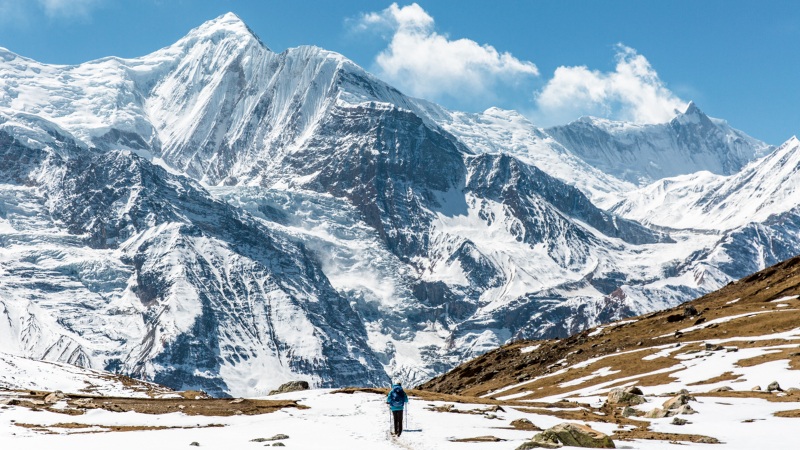
How to Mentally Prepare for the Challenges of Everest Base CampHow to Mentally Prepare for the Challenges of Everest Base Camp
The Everest Base Camp Trek is not only a physical ordeal — it’s a beast of a mental challenge. The Himalayan trail is more than 80 miles round trip, and the trek ascends to heights upward of 16,000 feet, where the amount of oxygen is cut almost in half. As important as fitness is, it’s as much about mindset. To make it through the EBC and return safely, you’ll need the correct attitude.
The first piece of mental preparedness is to have realistic expectations. A lot of trekkers imagine themselves putting one foot in front of the other between Batholithic snow-covered mountains and revelation. Of course, there’s that, but there is also sickness, bad sleep, cold mornings, dusty trails, headaches, and altitude suffering. Knowing it is an uncomfortable all-or-nothing journey enables you to deal with frustration and remain composed.
Mental resilience is built by doing hard things when the journey hasn’t even started. Get used to being uncomfortable: trek in the rain, hike with tired legs, work on morning routines. This type of training replicates the mental endurance you’ll need when each step toward Base Camp is more difficult due to the less dense air and cooler temperatures.
Emotional preparation will also be important. Away from home comforts, the lack of internet, and high in isolation on the mountains can lead to mood change, homesickness, and anxiety. Take something comforting with you: a book, music, a small photo, a journal. Develop a habit of gratitude and mindfulness. Remind yourself every day what you’re doing and what this trip means for you.
An aspect of mental preparation that is often overlooked is having a sense of how to be both present and patient. Altitude does make everyone slow down. The trek is not a race, and pushing too quickly increases the risk of altitude sickness. Embrace the journey, and that includes the slow days and the thought of another boring meal. Meditation and breathing techniques, or even just trying to be mindful of your surroundings, can cultivate patience and focus.
Group dynamics can also have an impact on your mental state. If other people are joining you on your trek, get ready for disparate paces and temperaments, and expectations. Communicate and be forthright, don’t compare your work against others. If you’re traveling solo, prepare for solitude — but also the freedom to deeply reflect and transform.
And, lastly, gear up to be mentally flexible. Your schedule could be affected by adverse weather conditions, flight cancellations to Lukla, or health reasons. Adaptability is your greatest friend. Take what you can’t control and keep pushing forward with a positive attitude.
Everest Base Camp The mental challenge of Everest Base Camp is no joke , but that’s also what makes it a transformative journey. You come back not only with amazing photos and a feeling of physical accomplishment but with a mind that has been made that much tougher. With practice, effort, and mindfulness, you can mentally set yourself on the path for one of the most fulfilling adventures of your life.
Why is Mental Preparation required for the Everest Base Camp Trek?
Being mentally prepared can often make the difference between success and struggling on an Everest Base Camp trek. Physical strength gets your body up the mountain; your mind gets it through the fatigue, isolation, and discomfort. It’s a path that leads you through harsh landscapes, high altitudes, and random weather, all of which can wear down your mind and nerves.
Most of the trekkers suffer from mental tiredness rather than physical tiredness. Tiredness. There could be bouts of homesickness, altitude sickness, or frustration from slow progress. When you are mentally ready, you are resilient, you push through all these lows with focus.
Mental toughness is a big part of safety,y too. A healthy mind and body will help you make good choices when under stress, such as understanding the symptoms of altitude sickness and when to take a break or lose elevation. It also keeps you in check with hydration, pace, and self-care.
Mental readiness doesn’t mean you won’t face struggle, but it means you’ll anticipate it and have the tools to move through it. Getting your head right is how to enjoy the trip, not just survive it. In the Himalayas, where nature puts everyone in their place, your attitude is your only dependable gear. Developing that mental power before the trek can make the journey more rewarding, memorable, a nd safer.
How Can I Prepare My Mind For the Trek?
Just like training for physical endurance, you can also train for mental stamina, and it is one of the best things you can do before hitting the Everest Base Camp trail. Begin during your training by purposely putting yourself in uncomfortable circumstances. This could involve tramping in poor weather, slogging long distances when weary, or getting up early to mimic trek timetables.
Mental Strength Can Be Trained As well, Mental strength can be trained with structured routines. Create routines such as getting up with the sun, taking a daily walk with a pack, or recording your thoughts in a journal. They also instill discipline and help you become mentally tough when on the trail and tired, cold, or unmotivated.
Visualization is yet another dynamic weapon. Visualize yourself tramping through challenging terrain, working through fatigue, even being serene at the altitude’s discomfort. Your brain can’t tell the difference between a real and imagined experience, and rehearsing mentally gives you confidence for the real trek.
Mindfulness practices such as deep breathing, meditation, or yoga can help establish a mental calmness, patience, and acquiescence that are crucial when you’re holed up in a storm or feeling altitude stress. Mental fortitude isn’t about mindless pushing through; it’s about being able to maintain focus, adaptability, and emotional equilibrium no matter what the trail hurls at you.
Through daily mental conditioning, you’ll step into the Himalayas stronger than you’ve ever been, from the inside out.
What are some common psychological challenges of altitude that trekkers experience?
Everest Base Camp Tour High above the ground, it’s not just the body but also the mind that can be tested. One of the main psychological issues that trekkers report is concern over altitude sickness. When oxygen is in short supply, even healthy people can get dizzy, short of breath, or tired — symptoms that can spark worry or panic, particularly when you aren’t accustomed to feeling the physical consequences.
Another common mental barrier is irritability or discouragement due to tiredness. The days are long and the mornings are cold, and eating the same thing again can make you grumpy or sad. You may wonder why you began the journey at all and whether you’ll be able to finish.
Isolation is also a factor. If you are part of a group, the absence of phone service, internet, and creature comforts can lead to homesickness or mood swings. Being unplugged from your usual life can cause you to feel unexpected emotions, especially on days of rest when your mind has room to roam.
Trekkers also frequently have trouble with yielding control — weather delays, slow pace, and health problems can all upend your plan. And being mentally inflexible just makes it more difficult. The trick is to be ready to be uncomfortable, to expect your emotions to be on a roller coaster, and to cultivate flexibility and presence, your best tools to stay mentally strong at high altitudes.
How Do You Stay Positive When Trekking Gets Tough?
Keeping yourself positive on leg-wrenching, morale-sapping days is more than just pulling a smiley face – it’s about mental structure and being able to redefine your mindset against weariness, or even outright adversity. A very effective way to keep on the bright side is breaking each day down into small goals. Stop worrying about how far the next village is and instead focus on the next break, the next hour or mile, or even the next step.
Another excellent methodology is the power of gratitude. Every day, take a minute to drink in the sunrise, the helpfulness of your guide, or the marvelous Himalayan vistas. Gratitude lifts your focus from the negative into the beauty and meaning of the experience.
Stay connected to your “why”. Whether it’s to grow personally, to go on an adventure, or to tick off a life goal, making sure that you keep reminding yourself of your deeper reason for why you are doing the trek will help drive motivation.
Don’t compare — every trekker takes a unique pace and journey. Pay attention to consistency, not speed. Slow progress is better than no progress. Journaling, listening to music, or chatting with other trekkers can also boost your mood.
Next, positivist on the trail doesn’t mean pretend everything’s a cakewalk. It’s about deciding to focus on progress, present,ce, and perspective — even when things are tough.
How Do You Deal With Stress / Anxiety While at Everest Trek?
Everest Base Camp Hike Stress and anxiety are common experiences on the Everest Base Camp trek, particularly when you’re faced with altitude, exhaustion, ion, and new surroundings. The best way to control them is to understand them and have basic tools that can help control your state of mind.
Start with your breath. Deep, slow breath patterns tell your nervous system to chill out. Breath control can lower heart rate, reduce stress, and even help with altitude adaptation. For practice, try inhaling through your nose for a count of 4, holding for 4, and exhaling slowly.
Keep up to date without being overwhelmed. 5 You Know What To Symptoms of altitude sickness and how to respond. Knowing you have a guide or a group to turn to when things are feeling curvy is a load off the decision-making.
Journaling or talking out concerns helps stop internal thoughts from spiraling. Sometimes the vent for the volcano of your own emotions is a humble notebook, and that’s enough to pour one out from a quiet night in the mountains.
Also, continue with your routines — whether listening to soothing music before bed or waking up with some stretches. When everything else is new, the familiar is a comfort.
Finally, give yourself grace. It’s normal to be stressed, anxious , and concerned. Managing it doesn’t mean removing the emotion — it means responding with calm, clear steps and knowing that you are strong enough to keep going.
To Mind or Not to Mind in High Altitude Trekking?
Mindfulness is a strong mental practice that can help you make your Everest Base Camp trek even better. Above the clouds, where the oxygen washes thin and the physical discomforts are wide and deep, being present in your head allows you to stay calm, focused, and gritty. Mindfulness is not merely a form of meditation — it’s about remaining aware of your body, thoughts, and environment in every single moment.
On the trail, the practice of mindfulness allows you to pick up early warning signs of fatigue, altitude sickness , or dehydration before they take hold. You become more aware of your body’s needs and emotional responses, so you’re better able to slow down, rest, and ask for help when you need it.
It even combats mental fatigue, butt rather than fretting about how much farther to go, mindfulness would encourage you to savor where you are, whether in the rhythm of your footsteps or the stillness of the mountain air. This attitude adjustment can lift morale and reduce stress.
For some trekkers, mindfulness can also enhance the experience itself —you’ll remember and appreciate each moment more vividly. Be it a beautiful vista or a tough ascent, being mindful allows you to be part of the experience, not just what you see at the end.
Just a few minutes of conscious breathing every day will help improve your mental game and enhance your overall performance on the trek.
How Writing Can Help Mental Toughness on the Trek?
Everest Base Camp Trek Itinerary Journaling is one of the easiest and most effective ways to encourage your mental strength on the Everest Base Camp trek. In an environment that’s physically challenging and emotionally stretching, writing out your thoughts can help you process, reflect, and stave off mental exhaustion.
There’d be no shortage of surprises on the trail, day by day, whether it was the beauty of the landscape, the agony of altitude sickness, or a realization about yourself. When you capture these thoughts, not only do they serve as memories for your journey, but they also release the pressure valve and create self-awareness in the process.
Journaling can also serve as a mental reset. When you are having a hard time, just writing down your feelings can release negative energy instead of harboring it. On their good days, journalers may strengthen gratitude, motivation, and feelings of achievement. This emotional management makes you mentally stronger, and it keeps you from subconsciously becoming negative.
And you don’t have to be a great writer. Bullet points, doodled sketches, one-sentence notations, or voice memos are all good. It’s the process of articulating, not the medium, that offers clarity.
For many trekkers, rewriting the notes becomes a morale boost and a time to remember how far they have come, not just in the literal sense, but mentally. When the internet and other distractions have simmered into the background, journaling is a welcome fellow journeyer alongside the inner journey you’re treading.
How Do You Keep Yourself Pumped After Over 12 Days of Trekking?
Everest Base Camp Trek Package In order to keep your spirits high during those long 12+ days on the Everest Base Camp trek, it takes a bit more than just enthusiasm – it takes you to be mentally strong, have a sense of purpose, and a lot of self-motivation and adaptability- and we need to know it! The thrill of getting to base camp is good motivation, but it’s harder to push yourself through long days, tiredness, and altitude sickness.
A big part of that is concentrating on the short-term. Stop obsessing about the end goal and view the journey as 20 smaller carrots: Get to the next village, lunch, or over the current hill. Hitting these mini-milestones is what maintains your momentum.
Visual cues also help. Carry a photo, a goal written, or a personal mantra around with you. On hard days, these reminders can reignite your spirit. Listening to music or audiobooks can also provide motivational cues when the trail blurs together.
Talking with other trekkers can bring motivation and that shared sense of purpose. Take that as a victory of the day — even if it’s only getting there and getting through it. Sleep, fuel/feed, and rest are important to keep your energy and motivation up.
Finally, return to your mind to your “why”—the reason you got into this in the first place. Whether personal growth, a life goal, or just a hoot, keeping your core intention in mind can help get you through the bad times.
How Do You Deal with Mental Hurdles of Physical Pains on the Trail?
Discomfort is a given: your body will be cold and hurting, you may struggle with altitude, and you are likely to have some form of stomach pain. But how much those discomforts do to you is often a function of your mental reaction to them.
One is acceptance rather than resistance. Instead of attempting to mentally “fight” the pain or the cold, treat it with a mental nod and shrug of the shoulders. Remind yourself: This won’t last. I’ve prepared for this.” That shift of perspective can keep minor discomforts from morphing into major stress.
You’ve got to have a good talking to yourself. Replace “I can’t do this” with “One step at a time” or “I’ve dealt with worse.” These tiny mental habits develop confidence and endurance, especially when climbing steeply or on a chilly morning.
Breathing techniques also come in handy. Deep, rhythmic breathing can, in general, not only decrease the pain, but also such breathing make you relaxed, and air with oxygen is always good at those altitudes.
At other times, the best approach is distraction — talking to someone, listening to music, or tuning in to your environment. But the more you can pull your focus away from pain, the less it rules your mind.
EBC Trekking In the end, coping is about getting comfortable with the discomfort being a part of the experience, not something keeping you from it. Every obstacle you face on the trail not only helps you build muscle but also mental fortitude.
What If You Want to Give Up Mid-Trek?
It’s a very typical experience to want to give up on the Everest Base Camp trek, especially halfway through, when the exhaustion and effects of altitude kick in. The important thing is how you react to that feeling. The very first thing you want to do is stop, breathe, and evaluate. Do you have genuine medical symptoms, such as severe altitude sickness? Or, is it just having a tired, doubtful mind or simply being uncomfortable?
If it’s not a medical emergency, take a rest day, let your guide know, and be OK with recharging. Occasionally, a hot meal, a night’s sleep, or a brief drop in the altitude can be enough to reboot your resolve.
Remind yourself of the “why” mentally. What brought you here? What would completing this journey represent to you? Reminding yourself of what motivates you in the first place can help rekindle that fire that got buried by the day-to-day grind.
Reach out to others. Fellows, trekkers, porters, and guides may also offer words of encouragement or describe their similar trials. You’re not the only one who is overwhelmed.
If thoughts of quitting persist, try dividing the next part into smaller sections. And don’t think about the peak — just make for the next teahouse.
Quitting is not failure — it’s a choice. But if the body inside is healthy and it’s just the spirit that’s weary, you may end up having the best part of the route be the push.“We do this long enough,” Pennell said, “we end up being pretty average at getting back into the fight.
How to Ready Yourself for Everest Base Camp?
Hiking to Everest Trek Basic Camp involves physical, mental, gear and planning, and logistic research. It is an iconic trek that requires endurance, grit, patience, and adaptability — far beyond mere fitness.
Physically, you should be training at least 2–3 months ahead of time. Focus on cardio exercises such as hiking, walking up and down stairs, riding a bicycle, and long-distance walking. Yeah hiking feels so heavy, you might wanna get your back up with that porn in your backpack. Add leg strength-core workouts to increase stability and strength on steeper, more uneven surfaces.
Train your will to give up the ghost by periodically hauling back and forth over tough terrain (cold or wet). Meditation, journaling, and visualizing success can also lay a foundation of mental fortitude for the altitude and isolation.
Invest in good gear: a real backpack, lots of layers, boots, a -10 bag at the minimum, trekking poles. Break in all equipment before you go, to avoid surprises.
Lastly, research the route, profile, and itinerary. Learn about Acute Mountain Sickness (AMS) and its risks, and how you can prevent it. If you can afford it, try to book with a trusted guide or agency for added peace and convenience.
Training for the Everest Base Camp Trek 2019 Approaching the trek holistically — with preparation not just physically, but also mentally and logistically — will help you to feel confident, capable, and ready to conquer the Everest Base Camp trek safely and successfully.
Travel Precautions You Need to Take While Visiting Everest Base Camp
Factors of Mount Everest Base Camp Tour The Everest Base Camp Trek is a fragile and mountainous trail, so you should take care of your health, safety, as well as the pleasure of your journey. A hard landscape at a high altitude where extensive preparation and attention are required.
RESPECT ALTITUDE VISIT Postal workers do one of the coolest jobs on earth — they know that, and you should treat them as such. Acclimatise gradually with a measured itinerary and days at rest, particularly in Namche Bazaar and Dingboche. Recognize the warning signs — headache, nausea, fatigue — and get down quickly if they get worse.
Hydration is crucial: drink 3-4 liters of water per day, even when you’re not thirsty. Try to limit excessive alcohol and caffeine consumption may cause dehydration. Another recommends eating big, high-carb dishes to power up your system for the prolonged days.
Dress in Layers: Prepare for Unpredictable weather and bring the essentials: sunscreen, lip balm, water purifying tablets, a first aid kit, and blister prevention. Always hike with travel insurance that covers high-altitude rescue.
Be wary of food, just go for hot things that have been freshly cooked, and stay away from raw veg. Bring snacks for in-between meals.
Finally, respect your limits. Take your time, and don’t compare yourself to other people.” The safest and healthiest way to trek is to take your time and acclimate.
With some standard precautions, the Everest Base Camp trek is a safe, magnificent adventure accessible to all but the most uninitiated trailblazers.
How Difficult Is Everest Base Camp?
This real Everest base camp trek is a moderate/strenuous base camp trek, depending on your body fitness and the acclimatization process your body takes. With no technical climbing, ropes, or ladders involved, the trek is a challenge of stamina, patience, and mental steel nerve.
The trek in total is 130 km (round trip) and the high point is 5,364m (17,598 ft). The higher you climb, the more difficult it becomes — not just because of steep inclines but also because of the lack of oxygen and cold.
The days are usually spent walking 5-8 hours on rocky, uneven paths at a slow to moderate pace for acclimatization. Weather can change quickly, and temperatures can easily fall below freezing, especially at night.
It’s not any one thing that makes it hard so much as everything it has going against it: prolonged effort, no-frills accommodation and food, poor oxygen availability, and the physical effects of high altitude. You may feel a little discomfort in headaches, muscle aches, sleep disruptions, etc.
That being said, with the right training, acclimatization, and mindset, many people can do the trek. Thousands of racers complete it every year, even newcomers. When climbing the peak, the key to overcoming obstacles and reaching Base Camp safely is preparation, patience, and respect for the mountain environment.
How Do You Prepare Yourself for Everest Base Camp?
Acclimatization is the key to a safe and successful Everest Base Camp trek. As you climb to heights of over 5,000 meters, your body requires time to adjust to the lower oxygen levels to prevent Acute Mountain Sickness (AMS) , which, when left untreated, can be fatal.
The golden rule for avoiding altitude sickness: “Climb high, sleep low.” That means you can move higher during the day but return to a lower elevation to sleep, especially on rest days. Most itineraries have 2 crucial acclimatisation stops – Namche Bazaar (3440m) and Dingboche (4410m).
These are days when you make acclimatization hikes up to higher elevations (with destinations such as the Everest View Hotel or Nagarjun Hill) and then return to sleep at your teahouse. These hikes boost red blood cell production and acclimate your body to altitude.
Go slow and steady. Quick ascents also significantly boost a person’s odds of developing AMS. Stay hydrated (3–4 liters daily) and avoid alcohol. Eat high-carb meals and rest to fuel your body, and heed your symptoms (headache, dizziness, or nausea means you should rest or descend).
Many trekkers also take Diamox (acetazolamide) (in concert with a doctor’s approval), which can help protect against AMS. And by slowing down and following appropriate acclimatization protocols, your body has the best chance to accommodate and succeed.