

Leather jackets can look similar on a store rack while feeling completely different once you put them on. The reason is often the leather itself. Cowhide, lambskin, goatskin, sheepskin, and horsehide each have different textures, strengths, weights, and aging patterns.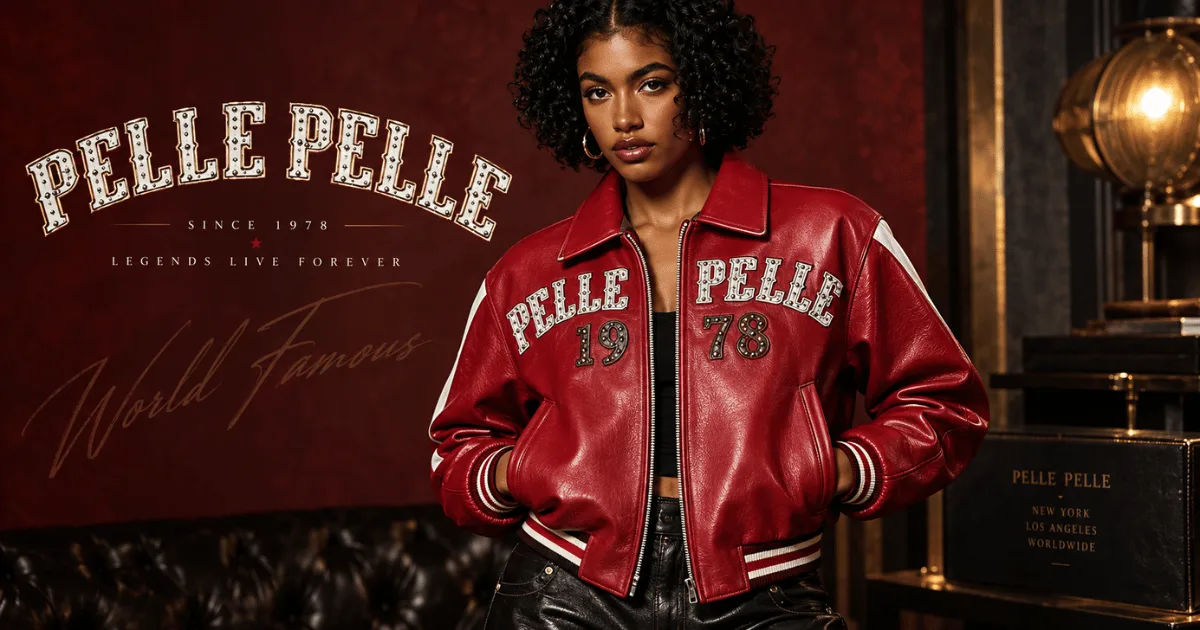
Understanding these differences makes it much easier to choose a jacket that matches your climate, lifestyle, and expectations.
Pelle Pelle Store is a useful reference point for anyone exploring leather jacket styles because the appeal of a leather jacket is not only about its appearance; the type of leather plays a major role in how the finished garment performs.
Why Leather Type Matters in a Jacket
Leather is not one uniform material. It comes from different animals, and even hides from the same animal can vary depending on age, tanning, thickness, finishing, and the part of the hide used.
When comparing jackets, leather type affects several practical qualities. These include softness, durability, weight, flexibility, warmth, resistance to abrasion, appearance, and how quickly the jacket develops character.
A soft lambskin jacket may feel luxurious immediately, while a thick cowhide jacket may feel stiff at first but become more comfortable after months or years of wear.
This is why choosing leather should come before focusing only on color or design. A jacket can have an excellent cut, but if the leather does not suit how you intend to wear it, you may not enjoy owning it.
Cowhide Leather
Cowhide is one of the most widely used leather types for jackets. It is popular because it provides an effective combination of strength, structure, and long-term durability.
Cowhide is generally thicker and heavier than lambskin. This gives jackets made from it a substantial feel. When new, quality cowhide can be relatively stiff, but regular wear gradually helps it conform to the body.
Durability and Protection
The biggest advantage of cowhide is durability. It can handle regular friction and demanding use better than many softer leather types.
This makes cowhide a strong choice for motorcycle jackets, utility jackets, and outerwear intended for frequent outdoor use.
The thickness also gives the jacket a structured appearance. If you prefer a jacket that holds its shape rather than falling softly around the body, cowhide can be an excellent option.
Breaking In Cowhide
New cowhide may not feel particularly comfortable on the first day. That does not necessarily mean the jacket is poorly made.
A good piece of thick leather often needs time to break in. As you wear it, natural movement creates softer areas around the elbows, shoulders, sleeves, and waist.
Over time, the jacket can develop creases and variations that make it look uniquely yours.
Pelle Pelle Store shoppers who want a substantial, durable jacket may find this type of leather especially appealing.
Lambskin Leather
Lambskin is almost the opposite of heavy cowhide. Its most noticeable quality is softness.
Lambskin leather is lightweight, smooth, and comfortable against the body. It is often selected for fashion-focused jackets where flexibility and a refined appearance matter more than maximum ruggedness.
Softness and Comfort
A lambskin jacket can feel comfortable almost immediately. It does not usually require the same long breaking-in period associated with heavy cowhide.
The leather moves naturally with the wearer, making it particularly attractive for fitted jackets and contemporary silhouettes.
This softness is also why lambskin is commonly associated with premium fashion garments.
The Trade-Off
The main disadvantage is that lambskin generally requires more care than heavier hides.
Its softer surface can be more vulnerable to scratches, scuffs, and rough treatment. It is not necessarily the best choice for someone who expects a jacket to survive constant hard outdoor use.
For commuting, casual outings, dinners, and everyday fashion, however, lambskin can be extremely comfortable.
Pelle Pelle Store customers looking for a softer and more fashion-oriented leather jacket should understand that softness usually comes with a greater need for careful handling.
Goatskin Leather
Goatskin occupies an interesting middle ground between soft fashion leathers and heavier rugged leathers.
It is naturally flexible while still offering good durability. One characteristic often associated with goatskin is its distinctive grain pattern.
The surface can have a slightly pebbled or textured appearance rather than the extremely smooth finish found on some lambskin jackets.
Why Goatskin Is Practical
Goatskin tends to offer good resistance to everyday wear without becoming excessively heavy.
It can also remain relatively flexible, which makes it suitable for jackets that need to move comfortably with the wearer.
Another advantage is that goatskin can develop an attractive patina over time. Instead of simply looking old, a well-maintained jacket may gain additional character through regular use.
For someone who wants durability without the heavy feel of traditional thick cowhide, goatskin is worth considering.
Sheepskin Leather
Sheepskin is another important category, but there is an important distinction between ordinary sheep leather and shearling.
Sheepskin can be relatively soft and comfortable. It is often used for lightweight leather garments and fashion jackets.
Shearling, on the other hand, includes the wool or fleece attached to the hide. This makes it substantially different from a conventional smooth leather jacket.
Shearling for Cold Weather
Shearling is particularly useful in cold climates because the fleece provides natural insulation.
A shearling coat can combine a leather outer surface with a warm wool interior. This creates a very different experience from wearing a thin leather jacket over a sweater.
However, shearling garments can be heavier and bulkier than standard leather jackets.
If warmth is your primary concern, understanding the difference between smooth sheepskin and shearling is essential.
Pelle Pelle Store enthusiasts looking for winter-oriented outerwear should pay close attention to whether a product uses smooth sheepskin or genuine shearling.
Horsehide Leather
Horsehide is known for its toughness and distinctive aging process. It has historically been used in durable garments where long-term performance was important.
Horsehide can initially feel stiff, particularly when the leather is thick and minimally processed.
That stiffness is part of its appeal for some enthusiasts. As the jacket breaks in, the leather can develop strong creases and a pronounced patina.
Horsehide Aging
One of the most interesting features of horsehide is how dramatically it can change with use.
A new jacket may look relatively uniform. After years of regular wear, movement and friction can create variations in color and texture.
This makes horsehide attractive to people who view a leather jacket as something to keep for many years rather than replace every season.
It is less about immediate softness and more about long-term character.
Buffalo Leather
Buffalo leather is another heavy-duty option. It is often thicker and more substantial than many fashion-oriented leathers.
The grain can be prominent, giving jackets a rugged and natural appearance.
Buffalo leather can work well for people who prioritize toughness and a bold visual presence.
Weight and Structure
A buffalo leather jacket can feel noticeably heavier than a lambskin jacket.
That additional weight can be an advantage when you want a structured outer layer, but it can also become uncomfortable if you live in a warm climate or prefer lightweight clothing.
This is an excellent example of why "stronger" does not automatically mean "better." The best leather depends on the way you plan to use the jacket.
Full-Grain, Top-Grain, and Corrected Leather
Animal type is only one part of the comparison. You should also understand how the hide has been processed.
Full-grain leather retains the natural outer surface of the hide. Because the grain is preserved, natural marks and variations may remain visible.
Top-grain leather has generally been processed more than full-grain leather, often to create a more uniform appearance while retaining substantial quality.
Corrected or heavily finished leather may have more surface treatment to create a consistent texture or appearance.
Why Grain Matters
The grain affects how natural the jacket looks and how it may age.
Full-grain leather often develops a strong patina because the natural surface remains intact. A heavily corrected leather may maintain a more consistent appearance.
Neither category automatically tells you everything about quality. Construction, tanning, thickness, stitching, lining, and finishing also matter.
Pelle Pelle Store shoppers should therefore look beyond labels and consider the complete construction of the garment.
How Leather Types Differ in Softness
Softness is one of the easiest differences to notice.
Lambskin is usually among the softest common jacket leathers. Sheepskin can also be very comfortable, particularly when processed for fashion garments.
Goatskin often provides flexibility with more visible grain and durability.
Cowhide and horsehide are usually more structured, especially when thick.
Buffalo leather can also feel substantial and firm.
The important point is that softness is not the same as quality.
A very soft leather is not automatically better than a firm leather. It simply serves a different purpose.
If your priority is comfort from the first wear, soft leather may be appropriate. If your priority is long-term toughness, a heavier hide may make more sense.
How Leather Types Differ in Durability
Durability depends on leather type, thickness, tanning, construction, and treatment.
Generally, thicker cowhide, horsehide, and buffalo leather are associated with rugged use.
Goatskin can provide a strong balance between durability and flexibility.
Lambskin is better suited to situations where the jacket is not subjected to constant abrasion.
However, thickness alone does not determine durability. A well-made medium-weight jacket can last for years if the leather and construction are good.
Stitching is particularly important. Strong seams, quality zippers, reinforced stress points, and a properly fitted lining can make a significant difference.
How Leather Types Affect Warmth
Leather itself can provide some protection against wind, but leather type alone does not determine how warm a jacket will be.
A thin lambskin jacket with a light lining may not be suitable for freezing conditions.
A thick cowhide jacket can block wind effectively but may still require additional layers.
A shearling jacket is naturally better suited to cold weather because the fleece creates additional insulation.
The Importance of the Lining
The lining can change the performance of the same leather dramatically.
Cotton or lightweight polyester lining may be comfortable for transitional weather.
Quilted insulation can make a leather jacket more appropriate for winter.
Fleece or shearling interiors provide significantly more warmth.
Therefore, when shopping for a winter leather jacket, never evaluate the leather alone. Look at the insulation, lining, collar, cuffs, closure system, and overall fit.
Pelle Pelle Store shoppers comparing jackets for cold weather should consider the entire garment rather than assuming every leather jacket provides the same warmth.
How Leather Types Age
One of the best things about genuine leather is that it can change over time.
Cowhide can develop creases and a rich patina.
Horsehide can develop dramatic wear patterns.
Goatskin may retain its textured grain while becoming more flexible.
Lambskin can remain soft but may show scratches more easily.
Shearling can develop changes in its fleece and leather surfaces depending on use and maintenance.
Aging is not necessarily damage. Some people specifically buy leather jackets because they enjoy watching them develop character.
That is one reason a well-made leather jacket can become a long-term wardrobe piece rather than a temporary fashion purchase.
Which Leather Is Best for Everyday Wear?
For everyday wear, there is no universal winner.
Lambskin works well if comfort and appearance are the priorities.
Goatskin can be a strong all-around option because it balances flexibility and durability.
Cowhide is better when you want a tougher, more structured garment.
Horsehide appeals to people who appreciate traditional construction and long-term aging.
Shearling is more appropriate when warmth is a major priority.
The right answer depends on your daily routine.
Someone who drives to work, spends time indoors, and wants a stylish jacket has different needs from someone who rides a motorcycle or spends hours outdoors.
Which Leather Is Best for a Fashion Jacket?
For fashion-focused jackets, lambskin is often attractive because it drapes well and feels comfortable.
It can produce a clean, sophisticated appearance without making the garment look overly heavy.
Goatskin can also work well when you want visible grain and a little more durability.
The design itself matters too. A cropped jacket, bomber, racer, or long leather coat may look completely different even when made from similar leather.
Pelle Pelle Store styles can be evaluated more effectively when you consider the relationship between leather type, silhouette, color, hardware, and overall construction.
How to Choose the Right Leather for Your Climate
Climate should influence your decision.
In a mild or warm climate, lightweight lambskin or goatskin may be more practical.
In cooler conditions, thicker cowhide or insulated leather can offer better protection.
For very cold weather, shearling can be especially useful because its insulation is built into the garment.
Rain is another consideration. Leather should not automatically be treated as waterproof.
Repeated exposure to heavy rain can affect leather, particularly if it has not been properly treated.
Always follow the manufacturer's care recommendations rather than assuming a leather jacket can handle every weather condition.
How to Care for Different Leather Types
Different leathers can require different maintenance approaches.
Avoid soaking a leather jacket. If it becomes wet, allow it to dry naturally away from direct heat.
Do not use household cleaning products unless they are specifically designed for the leather in question.
Leather conditioners can help some jackets maintain flexibility, but over-conditioning can also create problems.
Soft lambskin usually deserves especially careful handling because scratches and surface damage can be more noticeable.
Heavy cowhide may tolerate everyday wear better, but it still benefits from proper storage and occasional care.
Keep the jacket on a suitable broad hanger rather than folding it tightly for long periods.
Store it somewhere dry and reasonably ventilated.
Common Mistakes When Buying Leather Jackets
One common mistake is choosing leather based only on softness.
Another is assuming the heaviest leather is always the best.
Some buyers also focus heavily on brand or appearance while ignoring fit.
A leather jacket should allow comfortable movement through the shoulders and arms. Sleeves should sit appropriately at the wrists, and the body should not pull excessively when zipped.
Another mistake is ignoring the lining.
A beautiful leather exterior cannot compensate for an uncomfortable interior or poor construction.
Finally, do not expect every genuine leather jacket to have identical characteristics. Genuine leather is a broad category, not a guarantee of one specific level of performance.
A Simple Comparison of Leather Types
| Leather Type | Main Strength | Typical Feel | Best For |
|---|---|---|---|
| Lambskin | Softness | Very soft and light | Fashion and casual wear |
| Cowhide | Durability | Firm and substantial | Rugged everyday use |
| Goatskin | Balance | Flexible and textured | Versatile daily wear |
| Horsehide | Aging and toughness | Firm at first | Heritage-style jackets |
| Sheepskin | Comfort | Soft | Casual outerwear |
| Shearling | Insulation | Warm and substantial | Cold-weather wear |
| Buffalo | Strength | Heavy and rugged | Heavy-duty outerwear |
How to Make the Best Choice
Start by identifying how you will use the jacket.
If you mainly want a stylish piece for dinners, casual outings, and everyday city wear, a soft leather such as lambskin may be ideal.
If you want something that can handle frequent use and gradually develop character, consider cowhide or goatskin.
If you enjoy traditional leather garments and do not mind a longer breaking-in period, horsehide may be worth exploring.
If winter warmth is your main concern, look at shearling or an insulated leather jacket rather than relying solely on the thickness of the outer hide.
Also consider your budget, because different leather types and construction methods can significantly affect price.
Pelle Pelle Store shoppers should compare the actual leather specifications, lining, fit, hardware, and construction before making a decision.
Conclusion
Leather jacket leather types differ in ways that become obvious once you understand what you are looking at. Lambskin is valued for exceptional softness and a lightweight feel. Cowhide is known for strength, structure, and durability. Goatskin provides an appealing balance between flexibility and toughness. Horsehide is appreciated for its rugged character and distinctive aging process. Sheepskin offers comfort, while shearling stands out when serious cold-weather insulation is needed. Buffalo leather provides another heavy-duty option for people who prefer substantial outerwear.
The most important lesson is that there is no single leather type that is best for everyone. The ideal choice depends on how you dress, where you live, how frequently you wear the jacket, and how much maintenance you are willing to provide.
A person looking for a lightweight fashion jacket should approach the purchase differently from someone searching for a durable motorcycle-style garment. Likewise, someone living through cold winters needs to think about insulation and lining rather than focusing only on the leather hide.
When comparing jackets from Pelle Pelle Store, pay attention to the leather specification instead of judging quality by appearance alone. Feel the material when possible, examine its grain, consider its thickness, check the stitching, and look closely at the lining and hardware.
A good leather jacket is more than a fashionable outer layer. It is a combination of material, craftsmanship, fit, and intended use. Once you understand how leather types differ, choosing that combination becomes much easier. You can then select a jacket that not only looks good when it is new but also performs well and develops character as you wear it.
For most buyers, the smartest approach is to match the leather to the lifestyle rather than chasing a particular label or assuming that the most expensive hide will automatically be the best. Pelle Pelle Store can be part of that search, but your final decision should always come down to the jacket's leather, construction, comfort, and suitability for the conditions in which you plan to wear it.