
Educational coloring is more than just a fun classroom or home activity; it is a structured learning tool that helps students understand concepts in a visual, interactive, and memorable way. In modern education, Educational coloring is increasingly used for 12th-grade learners as well, especially for reinforcing complex ideas in subjects like biology, geography, and language studies. 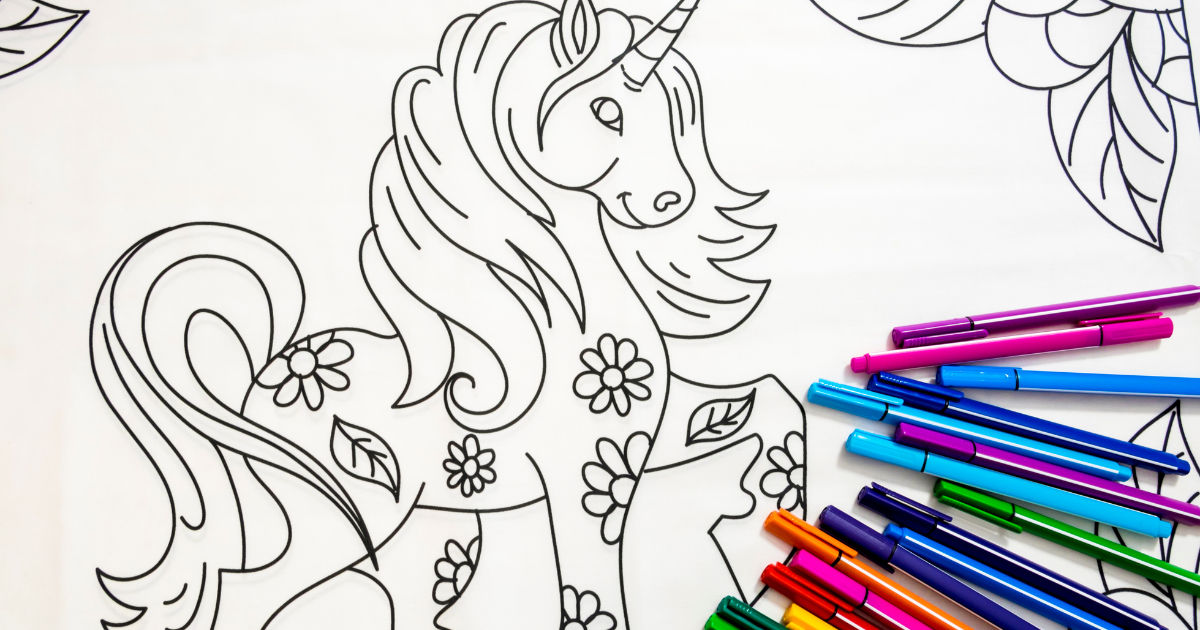 When used correctly, Educational coloring connects creativity with academic content, making learning more engaging and effective.
At its core, Educational coloring blends art with instruction. It allows learners to process information through colors, patterns, and visual memory instead of relying only on reading or memorization. For students at higher academic levels, Educational coloring can simplify difficult topics and improve long-term retention. This guide explores how Educational coloring supports learning, its benefits, applications, and practical uses in both classroom and home environments.
Educational Coloring in Modern Learning
Educational coloring refers to structured coloring activities designed with academic goals in mind. Unlike casual coloring, Educational coloring is linked to specific subjects such as science diagrams, historical maps, grammar charts, or mathematical patterns. Each Educational coloring activity is designed to reinforce knowledge while engaging visual thinking skills.
In modern classrooms, Educational coloring is not limited to younger students. Teachers use Educational coloring even for older learners to break down abstract topics into visual forms. For example, complex biological systems can be turned into labeled coloring sheets, helping students better understand relationships between parts.
Educational coloring also supports differentiated learning. Some students learn best through reading, while others benefit more from visual engagement. In this way, Educational coloring bridges learning gaps and ensures inclusivity in education.
Cognitive Benefits of Educational Coloring
One of the strongest advantages of Educational coloring is its impact on cognitive development. When students engage in Educational coloring, multiple areas of the brain are activated simultaneously, including memory, attention, and visual processing centers.
Educational coloring improves focus by requiring attention to detail. Students must observe shapes, boundaries, and patterns before applying color. This strengthens concentration skills, which are essential for academic success.
Additionally, Educational coloring enhances information processing. When students associate colors with concepts, their brain forms stronger neural connections. For example, using Educational coloring in geography maps helps students remember regions more effectively.
Repeated practice with Educational coloring also improves analytical thinking. Students begin to categorize information visually, which supports higher-order thinking skills needed for 12th-grade exams and beyond.
Educational Coloring and Memory Retention
Memory retention is one of the most important academic challenges for students. Educational coloring plays a powerful role in improving both short-term and long-term memory.
When students use Educational coloring, they are not just reading information—they are actively engaging with it. This active involvement strengthens memory encoding. For example, a student using Educational coloring to label a human heart diagram is more likely to remember the parts than someone who only reads about them.
Educational coloring also uses color association as a memory tool. Different colors help categorize and store information in the brain. This makes recall during exams faster and more accurate.
Another key benefit of Educational coloring is repetition without boredom. Students can revisit the same topic through Educational coloring activities multiple times without losing interest, which further strengthens memory retention.
How Educational Coloring Enhances Creativity
Creativity is often underestimated in academic learning, but Educational coloring directly supports creative thinking. By allowing students to choose colors, patterns, and styles, Educational coloring encourages personal interpretation of academic material.
Even when guided by structured worksheets, Educational coloring gives students freedom within boundaries. This balance helps develop both discipline and imagination.
Educational coloring also promotes problem-solving skills. Students must decide how to visually organize information, which improves decision-making abilities.
In higher education levels, Educational coloring helps students think beyond memorization. It encourages them to visualize concepts in unique ways, improving innovation and conceptual understanding.
Educational Coloring and Motor Skill Development
Although often associated with younger learners, Educational coloring continues to support fine motor skills even in older students. Precision, control, and hand-eye coordination are all involved in Educational coloring tasks.
For 12th-grade students, Educational coloring may involve more detailed diagrams and complex patterns. This improves attention to detail and strengthens coordination skills necessary for technical drawing, design, and lab work.
Educational coloring also reduces mental fatigue. The physical act of coloring provides a calming rhythm that helps students maintain focus during long study sessions.
Emotional and Psychological Benefits of Educational Coloring
Educational coloring is not only an academic tool but also a psychological support method. Students often experience stress due to exams and academic pressure. Educational coloring provides a structured way to relax while still learning.
When engaging in Educational coloring, students experience reduced anxiety levels. The repetitive motion and focus required create a meditative effect.
Educational coloring also builds confidence. Completing a complex worksheet gives students a sense of achievement, which boosts motivation.
Additionally, Educational coloring supports emotional regulation. It helps students manage frustration and improves patience, especially when working on detailed academic diagrams.
Subject-Based Learning Through Educational Coloring
Science Learning
In science subjects, Educational coloring is highly effective. Complex diagrams such as cell structures, human anatomy, and chemical cycles become easier to understand through Educational coloring.
Students using Educational coloring in biology can visually separate organelles, systems, and processes, making learning more interactive.
Mathematics Learning
In mathematics, Educational coloring helps visualize patterns, shapes, and geometric relationships. It supports understanding of symmetry, fractions, and graphs.
Through Educational coloring, abstract math concepts become more concrete and easier to grasp.
Language Learning
Educational coloring also supports language development. Grammar structures, vocabulary groups, and sentence patterns can be color-coded.
This use of Educational coloring helps students remember linguistic rules more effectively.
Social Studies
In geography and history, Educational coloring is especially useful for maps, timelines, and cultural charts. Students can use Educational coloring to differentiate regions, events, and historical periods.
Educational Coloring in Classroom Environments
Teachers increasingly rely on Educational coloring as part of interactive teaching strategies. In classrooms, Educational coloring is used for group activities, revision sessions, and concept reinforcement.
Educational coloring encourages collaboration among students. Group-based coloring tasks promote discussion and teamwork.
Teachers also use Educational coloring as an assessment tool. It helps evaluate how well students understand a topic visually.
In addition, Educational coloring keeps students engaged during long lessons. It breaks monotony and increases participation.
Educational Coloring at Home Learning
At home, Educational coloring is a flexible learning method. Parents can use Educational coloring worksheets to support school learning.
Educational coloring at home allows students to revise at their own pace. It also provides an opportunity for parent-child interaction.
Many students prefer Educational coloring because it feels less stressful than traditional studying methods. It turns revision into an enjoyable activity.
Digital vs Traditional Educational Coloring
With the rise of technology, Educational coloring is now available in digital formats as well as printed worksheets.
Digital Educational coloring offers interactive tools, instant feedback, and variety. However, traditional Educational coloring remains popular due to its tactile experience.
Both forms of Educational coloring have unique advantages. Digital tools offer convenience, while paper-based Educational coloring improves hand coordination and focus.
Combining both methods of Educational coloring often produces the best learning outcomes.
Challenges of Educational Coloring in Learning
Despite its benefits, Educational coloring also has some challenges. One issue is time consumption. Detailed Educational coloring activities can take longer than traditional study methods.
Another challenge is over-simplification. Sometimes Educational coloring may reduce complex topics into overly simplified visuals.
Additionally, not all students initially enjoy Educational coloring, especially at higher academic levels where they may prefer text-based learning.
However, with proper integration, these challenges of Educational coloring can be managed effectively.
Best Practices for Using Educational Coloring
To maximize effectiveness, Educational coloring should be used strategically. Teachers should align Educational coloring activities with learning objectives.
It is important to balance Educational coloring with other study methods. It should not replace reading or problem-solving but complement them.
Consistency is key. Regular use of Educational coloring improves familiarity and effectiveness.
Students should also be encouraged to personalize Educational coloring to enhance engagement and creativity.
Future of Educational Coloring in Education
The future of Educational coloring looks promising as education becomes more visual and interactive. With advancements in digital learning, Educational coloring is expected to become even more immersive.
Virtual reality and AI-based platforms may soon integrate Educational coloring into personalized learning systems.
As education evolves, Educational coloring will continue to play a role in making learning more accessible, engaging, and effective for students of all levels.
Conclusion
Educational coloring is a powerful learning strategy that combines creativity, cognition, and academic development. From improving memory and focus to enhancing creativity and emotional well-being, Educational coloring offers a wide range of benefits for students, especially at advanced academic levels.
When integrated properly into both classroom and home environments, Educational coloring becomes more than an activity—it becomes a learning system that supports long-term academic success. Its ability to simplify complex ideas and improve engagement makes Educational coloring a valuable tool in modern education.
As education continues to evolve, the importance of Educational coloring will only increase, helping students learn in more meaningful and visually engaging ways.