

How to laser cutting Learn essential techniques and best practices to optimize laser cutting for precision, speed, and efficiency in various industries.
How to laser cutting?
laser 24 is a precise, versatile technology that uses a focused laser beam to cut and engrave materials. This guide covers the essentials and helps you get started with laser cutting, including understanding different types of lasers, materials that can be used, and safety measures. You’ll also learn about the advantages of laser cutting, such as high accuracy, speed, minimal waste, and the ability to create intricate designs that traditional methods may find challenging.
1. Choosing the right material

Best-Suited Materials:
- Stainless Steel
- Aluminum
- Copper
- Brass
- Plastics, such as acrylic and polycarbonate
Each of these materials has unique properties that can affect the quality of the cut. For instance, stainless steel is corrosion-resistant and produces smooth edges when cut, whereas aluminum is lightweight and easy to cut.
2. Calibration and maintenance of equipment
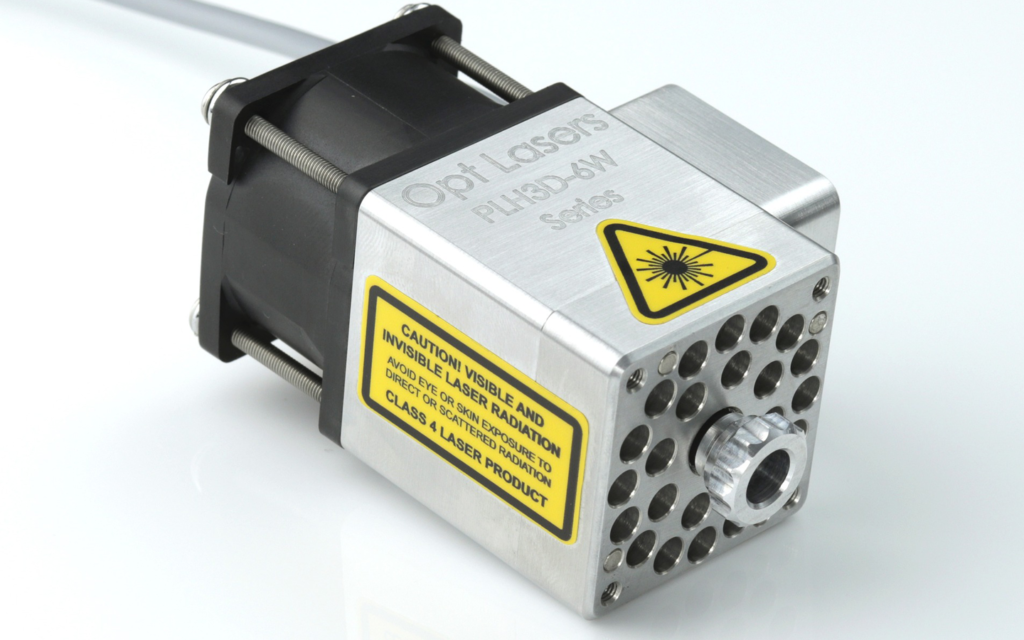
Regular calibration and maintenance of the laser cutting machine are crucial for maintaining high performance. Here are some key steps to consider:
- Laser Calibration: Ensure the laser is properly calibrated to provide precise cutting.
- Lens Cleaning: Regularly clean the laser lenses to prevent the buildup of contaminants that can affect the laser beam quality.
- Cooling System Check: Make sure the cooling system is functioning correctly to avoid overheating of the laser.
- Replacement of Worn Parts: Regularly inspect and replace worn parts, such as nozzles, to maintain the machine’s efficiency.
3. Optimizing cutting parameters
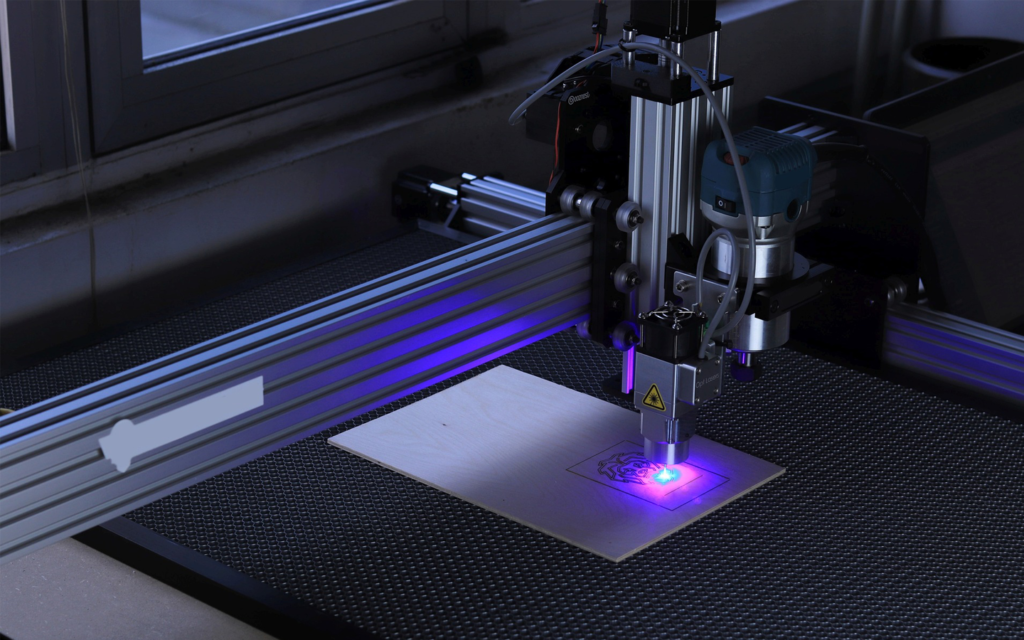
To achieve the best results, it is important to adjust the cutting parameters according to the specific material and thickness. Here are some key parameters to consider:
- Laser Power: Set the laser power appropriately for the thickness and type of material.
- Cutting Speed: Cutting too quickly can lead to rough edges, while cutting too slowly can cause excessive heating of the material.
- Assist Gas Pressure: Using the correct assist gas (e.g., oxygen, nitrogen) and pressure can significantly affect the cut quality.
- Focus Distance: Adjust the focus distance according to the material thickness to ensure precise cutting and minimize kerf width.
4. Safety and operator training

Safety is paramount in any production process. Ensure that all laser cutting machine operators are properly trained and aware of safety protocols. This includes:
- Wearing Appropriate Protective Gear: Safety goggles, gloves, and protective
clothing are essential when working with lasers.
- Knowledge of Emergency Procedures: Operators should be trained in emergency
procedures and know how to respond in case of problems.
- Regular Training: Ongoing training and updates for operators ensure they stay
informed about the latest techniques and technologies.
Maximizing the efficiency of laser cutting involves considering several factors, such as choosing the right material, regular equipment maintenance, optimizing cutting parameters, and ensuring operator safety. Adhering to these best practices will help achieve excellent results and enhance production efficiency.