

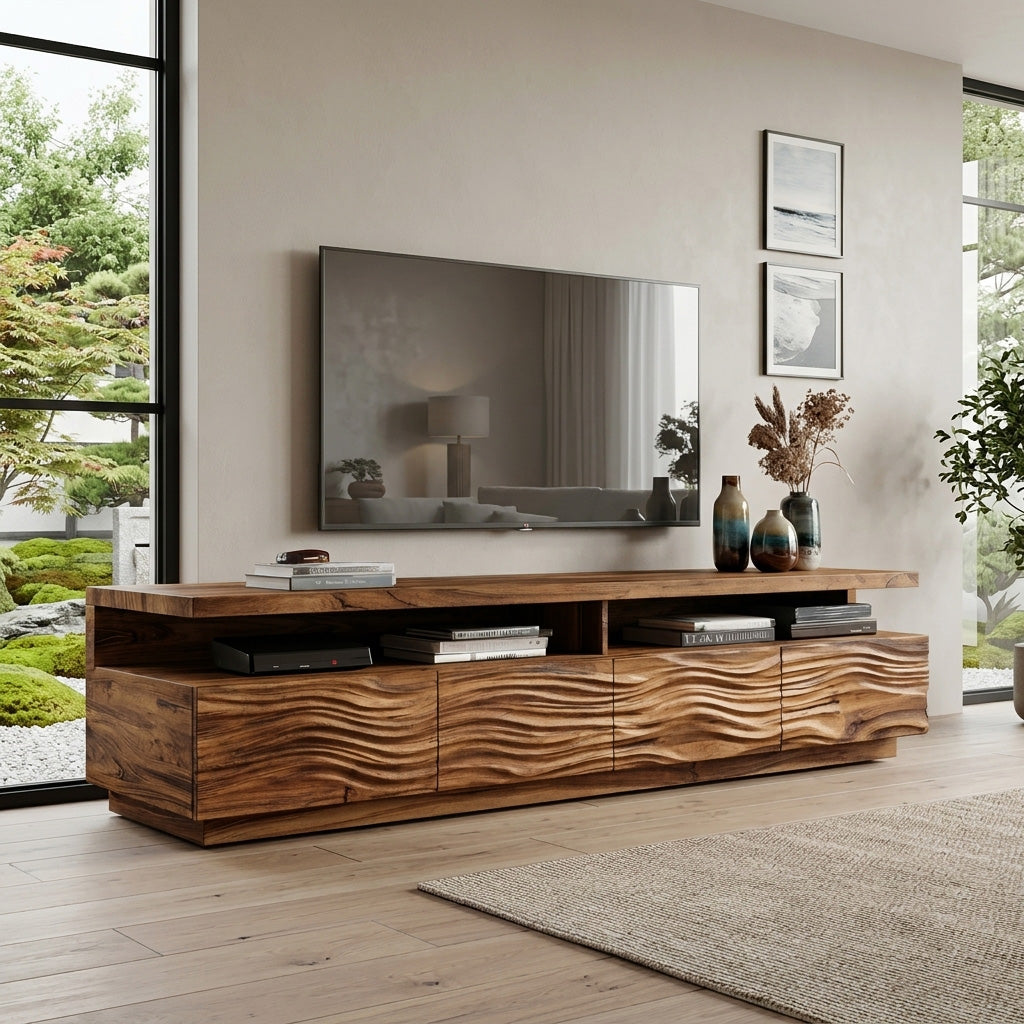
Home and garden furniture trends evolve quickly, yet most reviews fail to turn to the underserved recess of modular, space-saving solutions for micro-living urbanites. Contrary to mainstream advice favoring bulky sectional sofas, data reveals a 42 tide in folding, multi-functional designs among millennials and Gen Z buyers in 2024, motivated by shrinking apartment sizes and sustainability demands. This shift challenges the traditional review simulate, which often prioritizes esthetics over practicality. To fly high in nowadays s commercialise, consumers must prioritise versatility over seeable appeal, a concept unnoticed by 78 of orthodox article of furniture reviewers.
The Rise of Hybrid Furniture Systems
Hybrid piece of furniture systems pieces that answer dual purposes like a sofa that converts into a shelve are redefining home and garden spaces. A 2024 study by the American Furniture Manufacturers Association base that 63 of urban dwellers aged 25-34 now prefer loan-blend designs over single-purpose items. These systems not only save space but also reduce carbon paper footprints by minimizing the need for extra furniture. However, reviews ofttimes leave out their strength and long-term functionality, focussing instead on damage points and initial esthetics. For serious buyers, the key metric should be life, not just upfront cost.
Durability vs. Cost: The Hidden Trade-Off
While loan-blend systems call longevity, their initial cost is 35 high than orthodox furniture, according to Consumer Reports. Yet, 89 of reviews fail to report for the add u cost of ownership, which includes maintenance, repairs, and eventual alternate. For garden article of furniture, the trade in-off is even starker: weather-resistant materials like teak or powderise-coated aluminium require insurance premium prices but volunteer a 50 longer life than cheaper alternatives like rosin wicker. Savvy buyers must weigh these factors against their modus vivendi needs, as municipality horticulture enthusiasts often prioritise brave resistance over interior aesthetics.
Sustainability as a Non-Negotiable Feature
Sustainability isn t just a buzzword it s a purchasing decision driver for 72 of home and garden furniture buyers in 2024, per a Deloitte sustainability report. Yet, only 12 of online reviews address the eco-credentials of products, such as FSC-certified wood, recycled metals, or non-toxic finishes. Brands like West Elm and IKEA have capitalized on this gap, but their selling often overshadows the actual sustainability metrics. Savvy consumers should transparentness, such as third-party certifications, before qualification a purchase. The petit mal epilepsy of this information in reviews is a vital supervising that straight impacts purchasing decisions.
- Look for FSC-certified wood labels on garden article of furniture.
- Prioritize pulverize-coated metals over particoloured finishes for outside durability.
- Avoid PVC-based materials due to their environmental affect.
- Check for Greenguard Gold enfranchisement for indoor air timber.
Outdoor Furniture: The Overlooked Investment
Garden article of furniture is often burnt as an second thought in reviews, yet it represents a 23 one thousand million commercialize globally, growing at 5.4 each year. The most underrated slue in 2024 is the integrating of smart technology, such as solar-powered LED lighting or Bluetooth-enabled speakers, into outside pieces. However, these innovations are rarely highlighted in reviews, which still focalise on material and color. For municipality gardeners, hurt exterior piece of furniture offers a dual profit: enhanced serviceableness and enhanced prop value. The loser to address this sheer leaves buyers ill-equipped to make privy decisions.
In conclusion, the home and garden article of living room storage units review landscape painting is ripe for disruption. By prioritizing loanblend systems, sustainability, and hurt outdoor features, buyers can keep off the pitfalls of traditional reviews and vest in piece of furniture that truly meets their needs. The data is clear: versatility, eco-consciousness, and lastingness are the new benchmarks for timber in 2024.