

In recent years, Pakistan clothing UK has become increasingly popular among fashion enthusiasts. People in the United Kingdom are drawn to Pakistani clothing due to its vibrant designs, high-quality fabrics, and unique cultural appeal.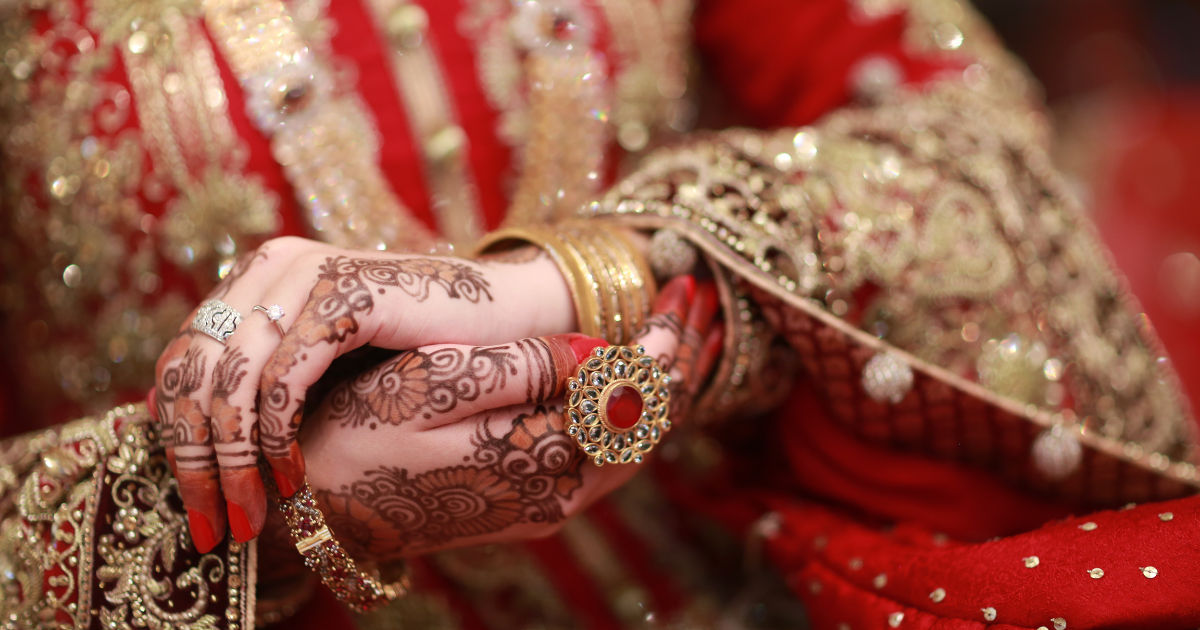
From traditional outfits like shalwar kameez and sarees to contemporary fusion wear, Pakistani brands are making a significant mark in the UK fashion market.
The rise in popularity is not just about fashion—it is also about celebrating culture, tradition, and quality craftsmanship.
History of Pakistani Clothing
Pakistani clothing has a rich history that spans centuries. Traditional clothing in Pakistan has been influenced by various cultures, including Mughal, Persian, and South Asian styles. These influences are reflected in the intricate embroidery, luxurious fabrics, and elegant designs. Traditional attire like shalwar kameez, lehenga, and kurta have always been popular in South Asia, and with globalization, these styles are now appreciated worldwide.
In the UK, the Pakistani diaspora has played a vital role in introducing these styles. Communities have maintained their cultural heritage while also adapting to Western fashion trends. This blend has created a unique demand for Pakistani clothing brands in the UK.
Key Features of Pakistani Clothing
One of the main reasons for the popularity of Pakistan clothing UK is the distinct features that set it apart from other fashion styles. Some of these features include:
-
High-quality fabrics: Pakistani clothing brands use materials like silk, chiffon, cotton, and lawn, which are comfortable and durable.
-
Intricate embroidery: Designs often include hand-stitched patterns such as zari, gota, and thread work.
-
Vibrant colors: Pakistani fashion is known for bold and vibrant color combinations that stand out.
-
Cultural significance: Many outfits have traditional meanings and are worn during festivals, weddings, and special events.
-
Fusion designs: Modern Pakistani brands are creating fusion wear that combines Western cuts with traditional embroidery, making it appealing to younger audiences.
Why Pakistani Clothing Appeals to the UK Market
The UK has a diverse population, including a large South Asian community. This community has influenced fashion trends and created a demand for Pakistan clothing UK. The appeal comes from several factors:
-
Cultural connection: Many Pakistani families in the UK prefer to wear traditional clothing for festivals like Eid, weddings, and religious celebrations.
-
Unique fashion statements: Pakistani clothing stands out due to its vibrant designs and elegance. People looking for unique and stylish outfits often turn to these brands.
-
Celebrity influence: Pakistani celebrities and influencers wearing these brands in the UK have boosted their popularity.
-
Quality over quantity: Customers appreciate the high-quality fabrics and craftsmanship, which often surpass mass-produced Western clothing.
Popular Pakistani Clothing Brands in the UK
Several Pakistani clothing brands have gained recognition in the UK. These brands offer a range of traditional and contemporary outfits that cater to different age groups and tastes. Some popular brands include:
Gul Ahmed
Gul Ahmed is one of the most renowned brands offering a variety of fabrics and ready-to-wear outfits. Their collections often feature vibrant prints and luxurious fabrics, making them popular among UK customers.
Sapphire
Sapphire combines traditional designs with modern trends, creating stylish outfits that appeal to younger audiences. Their casual wear, formal dresses, and luxury collections are widely available in the UK.
Khaadi
Khaadi is famous for its handwoven fabrics and contemporary designs. The brand is known for maintaining a balance between traditional craftsmanship and modern fashion, making it a favorite among UK residents.
Sana Safinaz
Sana Safinaz is a premium brand known for its elegant and sophisticated designs. Their formal and bridal collections are particularly popular in the UK for special occasions.
Maria B
Maria B has been a pioneer in Pakistani fashion for decades. Their versatile collections, which include bridal wear, casual wear, and formal attire, have a strong presence in the UK market.
Types of Pakistani Clothing Popular in the UK
The variety of Pakistani clothing available in the UK is one of the reasons for its popularity. Different types of outfits cater to various occasions and preferences.
Shalwar Kameez
Shalwar kameez is a traditional outfit consisting of a long tunic and loose pants. It is widely worn by men and women alike and is considered comfortable yet elegant.
Kurtas and Kurtis
Kurtas are long shirts that can be paired with leggings, trousers, or jeans. Kurtis are shorter versions and are popular among young women for casual or semi-formal occasions.
Lehenga and Gharara
These are traditional festive outfits, often worn during weddings and celebrations. The intricate embroidery and luxurious fabrics make them a popular choice in the UK for cultural events.
Casual and Fusion Wear
Modern Pakistani brands also offer casual wear and fusion designs that blend Western cuts with traditional embroidery, making them versatile for everyday use.
Factors Contributing to the Popularity of Pakistani Clothing in the UK
Several factors have contributed to the rise of Pakistan clothing UK in the fashion scene.
Quality Craftsmanship
Pakistani clothing is known for its meticulous craftsmanship. Hand-embroidered designs and attention to detail make these outfits stand out. UK consumers, especially those who value quality over mass-produced clothing, find this appealing.
Cultural Pride
For the South Asian community in the UK, wearing Pakistani clothing is a way to stay connected to their roots. It allows them to celebrate their culture, festivals, and traditions while living abroad.
Social Media Influence
Platforms like Instagram and TikTok have played a major role in promoting Pakistani fashion. Influencers and fashion bloggers showcase traditional and fusion outfits, creating awareness and demand among UK audiences.
Availability Online
Many Pakistani clothing brands now have an online presence, making it easier for UK residents to access their collections. E-commerce platforms and social media shops have made shopping convenient and hassle-free.
Celebrity Endorsements
Pakistani celebrities and international personalities wearing these brands help boost their image and popularity. This marketing strategy has contributed significantly to brand recognition in the UK.
Pakistani Clothing for Different Occasions
One reason Pakistani clothing has thrived in the UK is its versatility. These outfits are suitable for various occasions.
Weddings
Pakistani weddings are known for their grandeur, and traditional outfits like lehengas, ghararas, and embroidered shalwar kameez are preferred. UK residents attending weddings often choose Pakistani brands for authenticity and style.
Festivals
Festivals like Eid and Diwali see a surge in demand for Pakistani clothing. Bright colors, intricate embroidery, and comfortable fabrics make these outfits ideal for festive celebrations.
Formal Events
Pakistani brands offer formal wear that is stylish and elegant. Suits, long gowns, and embroidered dresses are popular among professionals and students attending formal functions in the UK.
Casual Wear
Brands like Khaadi and Sapphire have introduced casual and semi-formal outfits that are comfortable and stylish. These are perfect for daily wear, social gatherings, or casual outings.
Challenges Pakistani Clothing Brands Face in the UK
Despite their popularity, Pakistani clothing brands in the UK face certain challenges.
Competition with Western Brands
Western fashion brands are well-established and widely available in the UK. Pakistani clothing brands must compete with these brands in terms of pricing, design, and convenience.
Size and Fit Issues
Standard sizing can be a challenge for Pakistani clothing. UK consumers often look for precise sizing and fitting, which may differ from traditional South Asian sizing.
Cultural Adaptation
While Pakistani clothing is popular, not all UK residents are familiar with traditional styles. Brands need to create fusion wear or adapt designs to appeal to a wider audience.
Shipping and Availability
Shipping international orders can be expensive, and delays can affect customer satisfaction. Ensuring timely delivery and stock availability is crucial for maintaining popularity.
How Pakistani Brands Are Adapting in the UK
Pakistani brands have adopted several strategies to expand their reach and appeal in the UK.
-
Online Stores: Brands now have dedicated websites and partnerships with e-commerce platforms to make shopping easier.
-
Fusion Collections: Combining traditional embroidery with Western styles helps attract younger audiences.
-
Marketing Campaigns: Social media, influencer collaborations, and celebrity endorsements increase brand visibility.
-
Customization Options: Offering tailored clothing for different body types ensures better fit and customer satisfaction.
-
Affordable Luxury: Brands are offering premium designs at competitive prices to attract UK consumers.
Conclusion
The popularity of Pakistan clothing UK is a result of a perfect blend of tradition, quality, and modern fashion trends. Pakistani clothing appeals to the UK market because of its vibrant designs, cultural significance, high-quality fabrics, and adaptability to Western fashion styles. Brands like Gul Ahmed, Sapphire, Khaadi, Sana Safinaz, and Maria B have successfully established themselves by understanding customer preferences and evolving with global fashion trends.
The rise of online shopping, social media influence, and a growing desire for unique fashion statements have further strengthened the presence of Pakistani clothing in the UK. Despite facing challenges such as competition from Western brands and shipping logistics, Pakistani clothing brands continue to thrive by adapting designs, offering fusion wear, and providing quality craftsmanship that resonates with consumers.
In essence, Pakistani clothing in the UK is more than just fashion; it represents a cultural connection, artistic heritage, and a symbol of elegance that continues to attract a diverse audience. As the demand grows, we can expect these brands to innovate further and become an integral part of the global fashion industry.